Intermittent Fasting 2.0: Break Through Your Fat-Loss Plateau
Intermittent fasting (IF) has become very popular as an effective way to lose fat.
This eating pattern involves alternating between periods of eating and fasting, making it easier to control calories and improve metabolic health.
Many people find IF more manageable than traditional diets, which is why it’s often chosen as a method for losing extra fat.
However, after initial success, many individuals experience a fat loss plateau—a frustrating stage where weight loss stops despite continued efforts. This is a natural response as the body adjusts to new routines, slows down metabolism, and conserves energy.
Intermittent Fasting 2.0 is an advanced approach created to overcome these plateaus. By fine-tuning fasting schedules, nutrition, and lifestyle factors, this upgraded method aims to reactivate fat burning and maintain progress.
Overcoming plateaus is essential not only for ongoing weight loss but also for long-term metabolic health. If you don’t address these stalls, motivation drops and health benefits diminish.
In this article, you will discover how Intermittent Fasting 2.0 can help you overcome obstacles and achieve consistent fat loss once again.

- Deliciously Refreshing Lemonade – Our bodies need more than just water to get pumped up, and an electrolytes powder is the key! It has no calories or sugar, perfect for fitness enthusiasts and active individuals. With its delicious lemonade flavor, you’ll enjoy staying hydrated!
- Loaded with Key Nutrients – Refuel with our Lemonade electrolyte powder, powered by 6 key electrolytes, including magnesium, potassium, and calcium. Our electrolytes powder also contain 10 vitamins to help you stay healthy and hydrated.
- Combat Dehydration – When you sweat, you lose electrolytes: the minerals that keep you energized. And even too much drinking can be hard on your body’s levels. Replenish lost fluids with our electrolytes no sugar powder mix and keep up with your active lifestyle.
- Enjoy Anytime, Anywhere – Mixing it with any drink, cold or hot, or with 16fl oz water makes our hydration powder your perfect drink companion. No fillers and artificial ingredients just as nature intended.
- Powering Your Lifestyle – We are a veteran-founded business focused on developing high-impact health supplements for your active lifestyle. Made in the USA, our science-backed products help you lead happier and healthier lives.
Last update on 2026-10-26 / Affiliate links / Images from Amazon Product Advertising API
Understanding Intermittent Fasting and Fat-Loss Plateaus
Intermittent fasting (IF) involves cycling between periods of eating and fasting.
Common IF patterns include:
- 16/8 method: Fasting for 16 hours daily, eating within an 8-hour window.
- Alternate-day fasting: Alternating 24-hour fasting days with regular eating days.
- 5:2 approach: Eating normally five days a week while restricting calories to about 500–600 on two non-consecutive days.
These protocols reduce caloric intake without constant calorie counting, making them appealing and sustainable for many.
How IF Promotes Fat Loss Comparable to Continuous Calorie Restriction
Scientific studies show that intermittent fasting produces fat loss results comparable to continuous calorie restriction diets.
The primary mechanism is the overall reduction in calorie intake during fasting periods.
By limiting the eating window, many people naturally consume fewer calories without feeling deprived.
Additionally:
- During fasting, insulin levels drop, which facilitates fat mobilization and oxidation.
- Growth hormone levels may rise, supporting fat breakdown and preserving muscle.
- Metabolic rate can remain stable or even increase slightly during short-term fasts because of hormonal changes.
This blend of hormonal shifts and reduced energy intake drives effective fat loss.
Weight Loss Plateaus: What Are They and Why Do They Occur?
A fat loss plateau, or weight loss stall, is a period when your weight stays steady despite continued adherence to your diet or fasting routine. These plateaus are common in all forms of dieting, including IF.
Several factors contribute to these stalls:
- Metabolic adaptation: As you lose weight, your body needs fewer calories to sustain itself because of reduced mass and altered energy expenditure.
- Homeostasis: The body aims to maintain internal balance; when faced with prolonged calorie deficits, it slows metabolism to conserve energy.
- Behavioral adaptations: Sometimes subtle increases in snacking or reduced physical activity occur unconsciously during dieting phases.
Plateaus can be frustrating, but they signal that your body has adjusted to current conditions and needs new strategies to resume fat loss.
Body Homeostasis and Metabolic Adaptation in Stalling Progress
The human body resists rapid changes through homeostatic mechanisms designed for survival. When calorie intake drops dramatically over time, your metabolism adapts by lowering resting energy expenditure and reducing non-essential functions.
This metabolic slowdown protects against starvation but hinders further fat loss.
Key points about metabolic adaptation include:
- It varies between individuals based on genetics, age, sex, and starting body composition.
- Extended fasting or severe calorie restriction intensifies this adaptive response.
- Maintaining muscle mass through protein intake and resistance training helps mitigate some metabolic declines.
- Periodic adjustments in fasting schedules or calorie intake can prevent the body from settling into a new energy balance that causes plateaus.
Understanding these physiological responses is crucial for managing fat-loss stalls during intermittent fasting. Recognizing that plateaus are part of the process lets you make targeted changes with confidence and avoid the frustration often associated with stalled progress.
Intermittent fasting benefits extend beyond fat loss by improving insulin sensitivity, promoting cellular repair processes like autophagy, and supporting cardiovascular health — advantages that persist even when weight loss slows temporarily.
Awareness of these multiple effects reinforces the value of staying committed while adapting your approach as needed.
Implementing Intermittent Fasting 2.0: A Step-by-Step Guide
Setting Clear Fasting Goals for Effective Fat Loss
Before you start Intermittent Fasting 2.0, define your main fasting goals.
Are you primarily focused on fat loss, or do you want to improve metabolic health markers like insulin sensitivity and blood sugar control? Your goals will influence how you approach fasting and nutrition.
Consider individual factors such as:
- Existing health conditions: If you have type 2 diabetes or obesity, your fasting goals might prioritize stabilizing blood glucose levels along with managing weight.
- Lifestyle demands: Work schedules, family commitments, and exercise routines will affect which fasting patterns you can sustain.
- Body composition targets: If you want to preserve lean muscle mass while losing fat, you’ll need to adjust your protein intake and possibly shorten your fasting windows.
By setting clear goals, you can choose an appropriate fasting schedule and create a nutrition plan that supports your metabolic needs without hindering your progress.
Choosing the Right Fasting Schedule for Your Lifestyle
Various intermittent fasting schedules are available, each with different fasting durations and frequencies. Choose a schedule that fits your lifestyle to increase your chances of sticking to it—crucial for long-term success.
Here are some common IF schedules:
- 16/8 daily fasts: Fast for 16 hours each day, usually by skipping breakfast and eating during an 8-hour window. This method is simple yet effective.
- 24-hour alternate-day fasts: Eat normally one day, then fast or consume very low calories (around 500 kcal) the next day. This pattern may enhance fat burning but can be difficult to maintain.
- Two non-consecutive days per week (5:2 diet): Significantly restrict calories on two separate days while eating unrestricted on the other five days.
When choosing a plan, honestly evaluate your daily routine.
Ask yourself:
- When do I feel most hungry?
- Can I comfortably skip breakfast or dinner?
- How will social events affect my fasting?
If you stick to a schedule that goes against your natural rhythms, it often leads to frustration and giving up.

- 9-in-1 Electrolyte Tablets — a comprehensive electrolyte formula featuring Calcium, Sodium, Potassium, Chloride, Magnesium and Phosphorus, plus Pink Himalayan Salt, Kelp and essential vitamins. A convenient all-in-one blend designed for everyday hydration and mineral support.
- Natural Mineral Sources — made with Pink Himalayan Salt as a source of sodium and chloride, while Kelp Powder adds naturally occurring trace minerals. A thoughtful combination of mineral sources for a more complete daily electrolyte formula.
- Hydration & Electrolyte Replenishment — designed to help replenish electrolytes lost through sweat and daily activity. These electrolyte tablets support hydration and mineral balance during workouts, hot weather, travel and other situations when your body may need additional electrolytes support.
- Muscle, Stamina & Recovery Support — it supports normal muscle function, making this electrolyte blend a useful addition before, during or after physical activity. Helps support muscle performance, stamina and recovery while replenishing minerals lost through sweating.
- Complete Mineral & Vitamin Support — electrolyte capsules are more than basic electrolytes. Magnesium and Potassium support normal muscle and nervous system function, Vitamin D supports Calcium absorption and bone health, and Vitamin B6 contributes to normal energy metabolism. A high-potency combination of essential minerals & vitamins.
Last update on 2026-10-27 / Affiliate links / Images from Amazon Product Advertising API
Benefits of Varying Fasting Protocols Periodically
Over time, our bodies adapt metabolically, which can stall fat-loss progress—this is known as metabolic adaptation. Intermittent Fasting 2.0 addresses this issue by encouraging variation in fasting protocols.
Here are some strategies to prevent plateaus:
- Rotate between different fasting schedules every few weeks.
- Adjust feeding window lengths to challenge metabolic flexibility.
- Incorporate occasional extended fasts (24+ hours) under supervision to reset hunger hormones.
By varying your approach, you’ll keep your metabolism responsive and avoid downregulating energy expenditure, which slows further fat loss.
Setting specific fasting goals and choosing a fasting schedule tailored to your life are crucial to implementing Intermittent Fasting 2.0.
These actions help you overcome plateaus and keep making progress toward fat loss and improved metabolic health.
Maximizing Fat Loss with Nutrition During Intermittent Fasting 2.0
Mastering nutrition during fasting is crucial to accelerating fat loss and sustaining energy. The quality and composition of your meals on eating days directly influence how effectively your body burns fat, preserves muscle, and manages hunger in the long term.
Emphasize Whole, Nutrient-Dense Foods
- Prioritize whole foods such as vegetables, fruits, lean meats, nuts, seeds, and whole grains. These foods provide essential vitamins and minerals that support metabolic health.
- Avoid processed snacks and sugary items that trigger insulin spikes and promote fat storage.
- Nutrient density improves satiety, making it easier to maintain fasting windows without excessive hunger or cravings.
Adequate Protein Intake: Preserve Muscle and Boost Metabolism
Protein plays a pivotal role in maximizing fat loss with nutrition while practicing IF:
- Aim for at least 1.2 to 1.6 grams of protein per kilogram of body weight daily. This range helps preserve lean muscle during calorie deficits.
- Protein has a high thermic effect; digesting it burns more calories than carbs or fats, which can boost your metabolism.
- Include protein-rich foods like eggs, poultry, fish, Greek yogurt, lentils, and tofu in each meal to maintain muscle mass and promote fullness.
Fiber-Rich Foods for Digestion and Fullness
Fiber contributes to longer-lasting satiety by slowing gastric emptying and stabilizing blood sugar:
- Include plenty of fiber from leafy greens, broccoli, cauliflower, berries, chia seeds, flaxseeds, and legumes.
- Soluble fiber forms a gel-like substance in the gut that aids digestion and feeds beneficial gut bacteria — this can indirectly support weight regulation.
- High-fiber meals during feeding windows reduce the risk of overeating by naturally curbing appetite.
Meal Timing Within Eating Windows
While fasting periods restrict intake, how you distribute nutrition during your eating window matters:
- Break fasts with balanced meals combining protein, fiber-rich carbs, and healthy fats to prevent blood sugar crashes.
- Include nutrient-dense snacks if needed, but avoid overconsumption that negates the calorie deficit created by fasting.
- Hydrate well alongside meals; water supports digestion and metabolic function.
Micronutrient Considerations
Deficiencies can impair fat metabolism or energy levels:
- Focus on foods rich in magnesium (nuts/seeds), vitamin D (fatty fish/fortified dairy), B vitamins (whole grains/legumes), and antioxidants (colorful vegetables/fruits).
- Supplement thoughtfully if lab tests or dietary limitations indicate insufficiencies.
These advanced nutrition strategies for fast fat loss enhance intermittent fasting beyond simple calorie restriction.
Proper meal composition fuels fat oxidation pathways while maintaining muscle mass and reducing hunger—a combination essential for breaking plateaus and achieving sustained results.
Exercise Considerations During Intermittent Fasting 2.0
Exercise during fasting can amplify fat loss by encouraging the body to use stored fat for energy.
Fasted workouts, performed when your body has depleted readily available glucose, often promote greater fat oxidation compared to exercising in a fed state.
Starting with Moderate-Intensity Workouts
- Begin with moderate-intensity exercise, such as brisk walking, cycling, or light resistance training.
- These activities optimize fat utilization without overwhelming your energy reserves.
- Moderate sessions help you gauge your body’s response to fasted training and reduce the risk of overtraining or excessive fatigue.
Benefits of Fasted Workouts
- Enhances fat-metabolism-related hormones, including norepinephrine and growth hormone.
- Improves insulin sensitivity, supporting better nutrient partitioning during eating windows.
- Trains your body to efficiently mobilize and burn fat as a primary fuel source.
Gradually Increase Intensity and Volume
- After adapting to moderate workouts, gradually introduce higher-intensity sessions, such as interval training or heavier weightlifting.
- Pay attention to energy levels throughout the day—persistent fatigue or poor recovery signals the need to scale back.
- Balance exercise frequency and intensity with adequate rest days to prevent burnout.
Monitoring Recovery and Performance
- Track how you feel post-workout—muscle soreness, energy fluctuations, and sleep quality are important indicators.
- Adjust workout timing as needed; some perform better when training near the end of their fasting window or shortly after eating.
- Hydration plays a key role in recovery; drinking water before, during, and after exercise supports performance and metabolic function.
Tailoring Exercise to Your Lifestyle
Exercise plans must fit your schedule and preferences to support consistent adherence. If morning fasted workouts feel challenging initially, try low-impact activities later in the day or during feeding periods.
The goal is sustainable movement that complements your intermittent fasting routine rather than detracts from it.
By integrating these exercise considerations during fasting, you can use physical activity to break fat-loss plateaus while supporting overall metabolic health.
Staying Hydrated While Practicing Intermittent Fasting 2.0
Hydration during fasting is crucial to support your fat-loss journey and maintain overall metabolic health. Drinking enough water isn’t just about quenching thirst; it directly affects how your body processes fat and manages energy.
Why Proper Hydration Matters for Fat Loss
When you’re practicing intermittent fasting 2.0, staying hydrated can significantly impact your results. Here’s why proper hydration matters:
- Boosts metabolism: Water intake stimulates resting energy expenditure, meaning your body burns more calories even at rest.
- Enhances fat oxidation: Well-hydrated cells mobilize fat stores more efficiently for energy, which matters during fasting when the body relies more on fat for fuel.
- Improves digestion and waste elimination: Adequate fluid intake helps prevent constipation and supports detoxification pathways, ensuring smooth metabolic function.
- Reduces fatigue: Dehydration often causes tiredness and sluggishness, which can reduce motivation to stay active or follow fasting protocols.
- Helps regulate appetite hormones: Proper hydration can modulate ghrelin and leptin signals, reducing false hunger cues that may appear during fasting.
Setting Your Hydration Target
To optimize hydration during intermittent fasting 2.0, set a specific target. Aim for at least 2.5 liters (around 85 ounces) of water daily. Spread this amount evenly across both fasting and eating periods to stay consistently hydrated.
Tip: Be Mindful of Dehydration
Dehydration can sometimes mimic hunger, potentially leading to unnecessary calorie intake during eating windows. By staying mindful of your hydration levels, you can tell the difference between genuine hunger signals and dehydration-related cravings.
Tips for Maintaining Hydration During Intermittent Fasting 2.0
Here are some practical tips to help you maintain proper hydration while practicing intermittent fasting 2.0:
- Start your day with water: Drink a glass of water right after waking up to jump-start metabolism and rehydrate after hours without fluids.
- Use herbal teas or infused water: Non-caloric options like green tea or lemon-infused water are great for increasing fluid intake without breaking your fast.
- Carry a reusable water bottle: Keeping water accessible encourages frequent sips throughout the day, preventing dehydration before it starts.
- Monitor urine color: Pale yellow urine typically indicates good hydration, whereas darker urine suggests the need for more fluids.
- Adjust intake based on activity and climate: If you exercise intensely or live in a hot environment, increase your water consumption accordingly.
Focusing on hydration during fasting offers a simple yet powerful tool to optimize your body’s ability to burn fat and maintain steady progress through intermittent fasting 2.0 protocols.
This foundational practice supports other strategies like nutrition planning and exercise by keeping metabolic processes running efficiently and preventing dehydration-related setbacks.

- Micro Ingredients offers a full-spectrum Super Greens Powder in a natural original flavor. A blend of 100 different superfoods. Includes greens, fruits, vegetables, mushrooms, and probiotics.
- Each pouch contains a 1-pound supply of easy-to-mix powder. A convenient daily wellness formula that contains Barley Grass, Chlorella, Kale, Blueberry, Pomegranate, Papaya, Ginger, Turmeric, Turkey Tail, Cordyceps, 1 Billion CFUs per serving, and much more.
- Add a serving of Super Greens to smoothies or juices, water, or your favorite recipes.
- Scoop included to get the perfect measurement every time. Take your greens in powder form for a versatile way to incorporate more plant-based ingredients into your daily routine.
- Non-GMO supplements. Made without dairy and gluten. Ingredients must pass our 3rd party lab tests to ensure quality and consistency.
Last update on 2026-10-27 / Affiliate links / Images from Amazon Product Advertising API
Tracking Progress, Adapting Your Approach, and Leveraging Community Support in Intermittent Fasting 2.0
Tracking progress in intermittent fasting requires more than just stepping on the scale.
A detailed journal becomes an essential tool to capture multiple factors influencing your fat loss journey:
- Weight changes: Daily or weekly recordings reveal trends beyond immediate fluctuations caused by water retention or glycogen stores.
- Hunger levels: Noting when hunger hits hardest helps you see whether fasting windows align with your natural appetite rhythms.
- Energy fluctuations: Tracking energy throughout the day highlights whether your chosen fasting schedule supports productivity and exercise without undue fatigue.
- Mood variations: Emotional well-being impacts adherence; recognizing mood patterns can inform adjustments to fasting or nutrition.
Use this data to reassess how effective your current fasting schedules and nutrition strategies are. For instance, persistent low energy might suggest shortening fasts or adjusting macronutrient intake during feeding periods.
Increased hunger spikes could indicate insufficient calorie density or timing mismatches.
Adapting your approach based on real-time feedback allows for personalized optimization rather than rigid adherence.
This responsiveness is key to breaking fat-loss plateaus and sustaining progress.
Intermittent fasting community support plays a vital role in motivation and knowledge sharing. Joining online forums or local meet-ups focused on IF connects you with others facing similar challenges and celebrating similar successes.
Benefits include:
- Exchanging practical tips on managing hunger, meal prep, and workout timing within fasting windows.
- Sharing experiences about overcoming plateaus, which can provide fresh strategies you may not have considered.
- Receiving encouragement during difficult phases where results slow, or lifestyle demands increase.
Community engagement reduces the isolation that can accompany dietary changes. It builds accountability and fosters belonging, which can strengthen long-term adherence to intermittent fasting.
By combining diligent progress tracking with active participation in intermittent fasting communities, you create a dynamic system for continuous improvement. This synergy helps maintain the momentum and adaptability crucial to sustained fat-loss success.
Our Conclusion
Intermittent fasting is not just a diet; it’s a flexible framework that requires patience and adaptation. Sustainable fat loss through intermittent fasting depends on your ability to listen to your body, adjust your fasting patterns, and stay committed despite setbacks.
Keep these principles in mind as you move forward:
- Persistence is key. Fat-loss plateaus are natural. They signal the need for change, not defeat.
- Adaptability fuels progress. Modify your fasting schedule, nutrition, or exercise routine based on what your body tells you.
- Consistency builds lasting results. Short-term fixes rarely lead to long-term success. Aim for habits that fit your lifestyle.
- Self-awareness empowers decisions. Tracking progress helps you understand what works and where you need to adjust.
“Success with intermittent fasting comes from steady effort combined with an open mind toward change.”
You hold the tools to break through barriers and achieve sustained fat loss with intermittent fasting. Embrace the journey with confidence, knowing every step forward brings you closer to a healthier, stronger version of yourself.
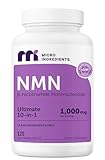
- Micro Ingredients offers a 10-in-1 NMN complex with 1,000mg per serving in vegetarian capsules, made without fillers and crafted with clean ingredients only, featuring vitamin C and a proprietary blend.
- Each bottle contains 120 natural vegetarian capsules, providing 60 servings and delivering 500mg of β-nicotinamide mononucleotide (NMN) plus an 8-ingredient 450mg proprietary blend and 50mg of fat-soluble vitamin C.
- This formula combines resveratrol standardized to 98% trans-resveratrol with apigenin, fat-soluble vitamin C, CoQ10, grape seed extract, glutathione, TMG, astaxanthin, and quercetin, brought together in one supplement to complement NMN.
- A vegan-friendly option for men and women that highlights a nutrient profile focused on NMN with plant-based extracts, coenzymes, and carotenoids as an ultimate NAD+ supplement precursor.
- Premium non-GMO NMN supplements. Made in cGMP compliant facility without fillers, soy, dairy, gluten, wheat, and tree nuts.
Last update on 2026-10-27 / Affiliate links / Images from Amazon Product Advertising API
FAQs (Frequently Asked Questions)
What is Intermittent Fasting 2.0 and how does it help overcome fat-loss plateaus?
Intermittent Fasting 2.0 is an advanced approach to traditional intermittent fasting that incorporates strategic variations in fasting schedules, nutrition, and exercise to break through fat-loss plateaus. By adapting fasting protocols and integrating personalized goals, it helps sustain weight loss and improve metabolic health effectively.
What are common intermittent fasting patterns and how do they promote fat loss?
Common intermittent fasting patterns include the 16/8 method (16 hours fasting, 8 hours eating), alternate-day fasting, and two non-consecutive fasting days per week. These methods promote fat loss by creating a calorie deficit comparable to continuous calorie restriction while supporting metabolic adaptations that enhance fat utilization.
Why do weight loss plateaus occur during intermittent fasting and how can they be addressed?
Weight loss plateaus during intermittent fasting occur because of homeostasis and metabolic adaptation, where the body slows its metabolism to conserve energy. To address these plateaus, vary your fasting schedule periodically, optimize nutrition with adequate protein and fiber, incorporate exercise, and stay properly hydrated to support continued fat loss.
How should I choose the right intermittent fasting schedule for my lifestyle?
Choosing the right intermittent fasting schedule depends on your lifestyle, commitments, health conditions, and goals, such as fat loss or metabolic improvement. Popular schedules like 16/8 daily fasting or alternate-day fasting can be tailored for adherence, and rotating these protocols can help prevent metabolic adaptation and plateaus.
What nutritional strategies maximize fat loss during Intermittent Fasting 2.0?
To maximize fat loss during Intermittent Fasting 2.0, plan meals with whole, nutrient-dense foods that support satiety and fat burning. Adequate protein intake helps preserve lean muscle mass and supports metabolism, while fiber-rich foods support digestion and prolong fullness during feeding windows.
How can exercise be effectively incorporated into an Intermittent Fasting 2.0 routine?
Incorporate physical activity by starting with moderate-intensity workouts in a fasted state to enhance fat utilization without overtraining. Gradually increase exercise intensity and volume while monitoring energy levels and recovery to optimize fat loss benefits within your intermittent fasting regimen.