
How to Lose Weight Fast Naturally and Permanently: Science-Backed Strategies That Last
Rapid weight loss often reverses itself—research shows most dieters regain lost weight within a year. The real solution isn’t a stricter diet but a smarter system.
This article reveals how to build a calorie deficit without hunger, choose whole foods that satisfy, and use sleep, hydration, and strength training to accelerate results.
You’ll also learn to manage cravings, break plateaus, and sustain weight loss permanently—without quick fixes.
The Science of Natural, Lasting Weight Loss
A 2021 study in the journal Obesity found that participants on very-low-calorie diets regained 50% of lost weight within two years due to metabolic adaptation and unsustainable habits.
That finding captures the central challenge of weight loss: the body is not a passive machine that simply burns whatever you withhold from it.
Lasting weight loss requires addressing underlying physiology and behavior, not just short-term restriction. Your metabolism, hunger hormones, sleep quality, stress levels, and daily movement all shape how much fat you store or burn. Ignoring these factors is why so many people lose weight quickly and then watch it return.
This section explains the biology behind fat burning and metabolic adaptation, then shows why quick fixes backfire.
From there, the article builds a sustainable framework you can apply for the long term. That framework combines nutrition, movement, recovery, and behavior change rather than relying on willpower alone.
Understanding the science first matters because it changes how you interpret slow weeks and plateaus. When you know why the body resists sudden change, you can respond with patience instead of panic. The next subsection examines the evidence behind failed diets and the habits that endure.

- Product Advantages – Made in the USA, Tested by a third party laboratory
- 16-In-1 Botanical GLP-1 Supplement Formula – Thoughtfully formulated with 16 carefully selected ingredients including hops flower extract, capsicum extract, green tea leaf extract (EGCG), bitter melon extract, white kidney bean extract, garcinia cambogia extract, berberine extract, synbiotics, ginger root extract and more. This comprehensive botanical blend supports weight management, appetite control, healthy metabolism, satiety and digestive wellness
- Daily GLP-1 & Weight Management Support – Designed to complement your everyday wellness routine, this GLP-1 supplement combines botanical extracts and supportive nutrients to help maintain healthy appetite signals, promote a satisfying feeling of fullness, and support healthy weight management goals
- Appetite Control, Satiety & Metabolism Support – Featuring Hops flower extract, capsicum extract, green tea extract (EGCG), bitter melon, white kidney bean, sophora japonica, garcinia cambogia and berberine, the formula is designed to help manage cravings, support appetite control, promote satiety, and maintain healthy metabolic function—helping you stay on track with your wellness routine
- Digestive Wellness & Quality You Can Trust – More than weight management support, the formula also includes synbiotics, ginger root, bromelain, aloe vera leaf gel extract, Peppermint Leaf Powder and Magnesium Malate to support gut and digestive wellness. Our products are manufactured according to strict quality standards and undergo third-party laboratory testing to ensure reliable quality and give you peace of mind
Last update on 2026-11-18 / Affiliate links / Images from Amazon Product Advertising API
Why Quick Fixes Fail, and Sustainable Habits Win
Crash diets can drop 2 to 3 kg in the first week, but University of Melbourne research shows that up to 80% of that loss is water and glycogen, not fat.
The scale moves fast, yet body composition barely changes. When normal eating resumes, the water returns and motivation collapses.
Metabolic adaptation explains much of the rebound. During prolonged calorie restriction, basal metabolic rate can fall by roughly 10 to 25%, according to research such as Levine and colleagues’ work.
The body also lowers spontaneous movement, or NEAT, and shifts hunger hormones like ghrelin and leptin to drive appetite up.
Fad diets fail for a second reason: eliminating entire food groups often triggers cravings and rebound eating. Refined sugar and processed food are worth limiting, but rigid rules around macronutrients rarely survive real life.
A 2018 JAMA meta-analysis found that gradual, habit-based approaches produced 3 to 5 kg more long-term weight loss than crash diets.
Real-world outcomes follow the same pattern. Structured programs built on portion control, food journaling, and accountability tend to outperform very-low-calorie plans at 12 months, largely because people can keep following them.
The takeaway is clear: sustainable habits preserve muscle mass and metabolic rate, while crash dieting erodes both.
Set Realistic Goals and Track Progress
Instead of aiming to “lose 20 pounds,” set a SMART goal like “lose 0.5 to 1% of body weight per week for 12 weeks,” which aligns with CDC and NIH recommendations for safe, sustainable loss.
That translates to roughly 1 to 2 pounds per week for most adults. This specific target keeps you focused on behavior and pace rather than a scary final number.
SMART stands for Specific, Measurable, Achievable, Relevant, and Time-bound. A strong weight loss example: “Walk 8,000 steps daily, 5 days per week, for 8 weeks.” It names the action, the number, the schedule, and the deadline.
Vague goals invite drift, while concrete ones give you something to check off each day.
Break the big goal into weekly actions you fully control, like a protein target at breakfast or a step count. Outcomes follow behavior, so reward yourself for consistency, not just the scale reading. This mindset protects motivation during slow weeks and reduces the risk of yo-yo dieting from crash approaches.
Revisit your goal every four weeks and adjust the pace if life circumstances change. A goal that once felt achievable may need a smaller step count during a busy season.
Flexible, realistic targets are easier to sustain permanently than rigid ones that break under pressure.
The scale alone hides important changes, especially when you add strength training and build muscle mass. Track a few other signals so a flat week does not derail your confidence.
These measures tell a fuller story about fat loss and body composition.
- Waist circumference: measure at the navel with a tape snug but not tight, once weekly, at the same time of day. Shrinking inches signal visceral fat loss even when weight holds steady.
- Progress photos: take front, side, and back shots in similar lighting every two to four weeks. Visual change often appears before the scale moves.
- Body composition: a DEXA scan gives detailed fat and muscle data, while smart scales estimate trends over time. Use the same device and conditions for fair comparisons.
Remember that BMI is a rough screening tool, not a full picture of health. Waist measurements and body composition offer more useful feedback on visceral fat and muscle mass.
Treat each metric as a data point, not a verdict.
You do not need paid programs to track well. A simple combination of free tools covers food, weight trends, and daily habits.
Pick two or three methods and use them consistently rather than tracking everything at once.
- Food logging: a free calorie and macro app helps you see portion-control patterns and spot hidden empty calories from refined sugar and processed foods.
- Weight trends: a trend-tracking app smooths daily fluctuations so you see the real direction of fat loss instead of noise from water and sodium.
- Habit journal: a paper notebook for steps, sleep quality, water intake, and cravings builds awareness that apps often miss.
Keep entries brief, a minute or two per day. Detailed logs that take twenty minutes rarely survive a busy week.
Consistency beats precision for tracking and accountability.
Schedule a check-in every four weeks, on the same day, to review your data calmly. Compare waist measurements, weight trends, photos, and habit streaks side by side.
This rhythm catches problems early, before a small stall becomes a plateau that erodes motivation.
If progress stalls for two to three weeks, first check your tracking accuracy, sleep quality, and stress levels. Chronic stress and poor sleep can raise cortisol and disrupt hunger hormones like ghrelin and leptin, increasing cravings.
Then consider small adjustments, such as adding steps, increasing protein intake for satiety, or tightening portion control slightly.
Avoid slashing calories drastically when you stall. Severe calorie restriction can trigger metabolic adaptation and muscle loss, making weight regain more likely.
Small, sustainable tweaks preserve your basal metabolic rate and keep fat burning steady.
If the stall persists, revisit your goal itself. Perhaps the timeline was too aggressive, or life stress needs attention first. Adjusting the plan is not failure.
It is exactly the kind of behavior change that makes weight loss permanent rather than temporary.

- 4-IN-1 METABOLIC SUPPORT FOR WEIGHT MANAGEMENT: Support your weight management journey with a powerful 4-in-1 formula designed to support fat metabolism, appetite control, digestive balance, and energy support. This fat burner supplement helps promote a healthy metabolism and supports your body’s natural processes for achieving your fitness goals.
- ADVANCED METABOLIC FORMULA WITH AMPK SUPPORT: Designed with AMPK-targeted botanical support, this metabolism booster supplement helps support your body’s natural metabolic activity. The formula is created to complement an active lifestyle by supporting energy balance, healthy fat metabolism, and overall wellness.
- SUPPORTS APPETITE CONTROL & DAILY WELLNESS: Whether you are working on fitness goals, maintaining a balanced diet, or managing daily cravings, this appetite support supplement is designed to help support healthy eating habits and consistent routines. Ideal for busy lifestyles, workouts, and everyday wellness.
- MADE FOR ACTIVE LIFESTYLES & WEIGHT MANAGEMENT GOALS: Perfect for adults looking for daily metabolic support, including fitness enthusiasts, people managing their weight, and those seeking support after lifestyle changes. Simply take capsule daily as part of your healthy routine.
- CLEAN FORMULA WITH PREMIUM QUALITY STANDARDS: Made with carefully selected botanical ingredients and produced under strict quality standards. Manufactured in a GMP-certified facility and tested by SGS, this clean formula is designed for quality, consistency, and confidence in every capsule.
Last update on 2026-11-18 / Affiliate links / Images from Amazon Product Advertising API
Build a Calorie Deficit Without Hunger
A 500-calorie daily deficit can produce about 1 lb of fat loss per week, but the key is achieving it without triggering the hunger hormone ghrelin. Research shows protein and fiber are the most effective tools for satiety.
When hunger hormones stay calm, a calorie deficit feels manageable instead of miserable.
Most diets fail for one simple reason: hunger wins. Severe calorie restriction spikes ghrelin, lowers leptin, and pushes you toward quick, high-calorie foods. That crash-and-rebound cycle is how yo-yo dieting starts.
A moderate deficit of 300 to 500 calories is the sweet spot. It is large enough to drive steady fat burning and small enough to protect energy, muscle mass, and metabolism.
Pair it with whole foods and portion control, and the deficit stays quiet.
The next section covers the specific food strategies that keep satiety high while you hold that deficit. The goal is simple: eat in a way that leaves you satisfied, not starving.
Protein, Fiber, and Volume Eating Strategies
Aim for 1.6 to 2.2 g of protein per kg of body weight daily. Research in the American Journal of Clinical Nutrition shows this range preserves muscle and reduces hunger hormones by up to 25%. Spread your protein intake across meals for the best effect.
Fiber is the second pillar. Target 25 to 35 g per day from vegetables, legumes, and whole grains. Fiber slows digestion, steadies blood sugar, and supports a healthy gut microbiome.
Together, these macronutrients help keep cravings in check.
- Protein per meal: 25 to 30 g, such as 4 oz chicken, 1 cup Greek yogurt, or 1 scoop whey.
- Fiber daily: 25 to 35 g total. One cup of lentils delivers about 15 g.
- Volume eating: fill half your plate with non-starchy vegetables like broccoli, spinach, and peppers.
- Hydration: drinking 500 ml of water before meals can reduce intake by roughly 13%, per Virginia Tech research.
Volume eating adds bulk with minimal calories, so portions look generous while maintaining the deficit. Non-starchy vegetables are low on the glycemic index and rich in micronutrients.
They also support digestion and nutrient absorption.
| Meal | Sample Foods | Calories (approx.) |
|---|---|---|
| Breakfast | Greek yogurt with berries and oats | 350 |
| Lunch | Grilled chicken salad with lentils and olive oil | 450 |
| Snack | Apple with a small handful of almonds | 200 |
| Dinner | Baked salmon, quinoa, and roasted broccoli | 500 |
This sample 1,500-calorie day is high in protein and fiber, which keeps hunger hormones stable. It also leaves room for flexibility. End each meal by rating hunger on a 1 to 10 scale, both before and after eating, to learn your true satiety signals.
Prioritize Whole, Unprocessed Foods
A 2019 NIH study found that participants who ate ultra-processed foods consumed 500 more calories per day than those who ate whole foods, even when meals were matched for calories, sugar, fat, and fiber.
This finding, published by Hall and colleagues in Cell Metabolism, points to something important: the form of your food matters as much as the numbers on the label.
Whole foods retain their natural structure, water content, and fiber. That combination slows digestion, supports satiety, and helps you feel full on fewer calories.
Ultra-processed foods are engineered for quick consumption, which makes portion control far harder.
| Whole Food | Ultra-Processed Alternative | Calories (approx.) | Fiber (approx.) | Satiety Impact |
|---|---|---|---|---|
| Plain oatmeal (1 cup cooked) | Sugary breakfast cereal (1 cup) | 150 vs. 130 | 4 g vs. under 1 g | Oatmeal keeps you full longer |
| Grilled chicken breast (100 g) | Chicken nuggets (100 g) | 165 vs. 250 | 0 g vs. under 1 g | Whole chicken satisfies with less fat and fewer empty calories |
| Apple (medium) | Fruit snack gummies (small pack) | 95 vs. 90 | 4 g vs. 0 g | The apple’s fiber and water content curb hunger |
| Lentils (1 cup cooked) | Instant flavored noodles (1 pack) | 230 vs. 380 | 16 g vs. 1 g | Lentils deliver steady energy and lasting fullness |
The NOVA classification system groups foods by processing level, from unprocessed items like fresh vegetables to ultra-processed products loaded with additives and refined ingredients.
Research suggests that eating mostly from the lower NOVA groups supports easier calorie control without constant hunger.
The glycemic index (GI) measures how quickly a food raises blood sugar. Low-GI foods such as lentils, oats, and apples release glucose slowly, which steadies energy and reduces the sharp spikes that trigger cravings and rebound hunger.
Over time, repeated blood sugar swings can contribute to insulin resistance, where the body struggles to manage glucose efficiently.
Choosing low-GI whole foods helps keep hunger hormones like ghrelin and leptin in better balance, making a calorie deficit feel far more manageable.
Small, repeatable swaps are easier to sustain than a full diet overhaul.
Each substitution below replaces empty calories with fiber, protein, or water, so you eat less without feeling deprived.
- Swap white rice for quinoa, which adds fiber and protein per serving
- Swap sugary soda for sparkling water with a slice of lemon
- Swap potato chips for air-popped popcorn or raw nuts in a measured portion
- Swap flavored yogurt for plain Greek yogurt with fresh fruit
- Swap white bread for whole-grain or sprouted bread with visible seeds and fiber
These changes support weight loss by improving satiety and nutrient density, not by relying on willpower alone.
They also fit naturally into a ketosis or intermittent fasting approach if you choose one.
A simple shopping habit is to shop the perimeter of the grocery store, where fresh produce, meat, fish, and dairy usually sit. The middle aisles hold more packaged goods, so treat them as a short stop rather than the main event.
Read labels and watch for added sugars hidden under names like syrups, cane juice, and dextrose. The American Heart Association recommends aiming for less than 25 grams of added sugar per day, which is roughly six teaspoons.
Favor products with short ingredient lists and recognizable components.
Pair this with adequate protein intake and fiber at each meal, and your hunger hormones stay calmer while your metabolism does its work.

- Belly Fat Burner for Women: Slim Tighten Tone is a stomach fat burner made for women who want a flatter-looking midsection. It supports a healthy reduction in body fat mass as part of a balanced diet and exercise routine.*
- Stimulant-Free Weight Loss Pills for Women: No caffeine, no jitters and no afternoon crash. Take it with breakfast, lunch or dinner, and pair it with your morning coffee or evening routine without stacking stimulants.*
- Conjugated Linoleic Acid From Safflower Oil: Each 3-softgel serving delivers 3,000 milligrams of safflower oil standardized to 80 percent conjugated linoleic acid, giving you 2,400 milligrams of conjugated linoleic acid per day.
- Studied in Human Clinical Trials: Conjugated linoleic acid has been researched in randomized, placebo-controlled human trials and in a meta-analysis of 18 studies for its role in body composition and body fat mass.*
- Slim Down, Tighten Up, Tone: Helps maintain lean body mass and promotes body composition balance, so your goal is a tighter, more toned shape, not just a smaller number on the scale.*
Last update on 2026-11-18 / Affiliate links / Images from Amazon Product Advertising API
Master Hydration and Sleep for Fat Loss
Drinking 500 ml of water before meals can increase weight loss by 44% over 12 weeks, according to a 2015 study in Obesity, while sleeping fewer than 6 hours raises ghrelin by 15% and lowers leptin by 15% (Spiegel et al., 2004).
These two habits are simple, free, and often overlooked in favor of complicated diet plans. Yet both directly influence hunger hormones, metabolism, and your ability to stay in a calorie deficit without feeling miserable.
When hydration and sleep quality are poor, cravings spike and fat burning stalls. Water supports lipolysis and nutrient absorption, while deep sleep regulates cortisol and insulin sensitivity.
Get these foundations right, and every other weight-loss strategy becomes easier to sustain.
This section gives you a practical two-part plan: a daily water schedule and a sleep routine built around your circadian rhythm. Neither requires supplements, special foods, or willpower heroics. They simply remove two hidden obstacles to permanent fat loss.
Part one: hydration. Aim for 2 to 3 liters of water per day, adjusting upward for larger body size, hot climates, and regular exercise. A simple schedule helps you hit that target without thinking about it. Drink 500 ml upon waking to rehydrate after sleep, then another 500 ml before each main meal.
This timing supports satiety, so you naturally eat less at mealtimes.
Cold water may offer a small edge. Research suggests thermogenesis from cold water slightly increases energy expenditure as your body warms it to core temperature.
The effect is modest, but it adds up alongside the appetite control from pre-meal water intake.
Keep a bottle visible, sip throughout the day, and use unsweetened green tea or sparkling water for variety. Avoid replacing water with sugary drinks or alcohol, which add empty calories and blunt fat burning.
Proper hydration also supports liver function and digestion, both central to how efficiently your body processes stored fat.
Part two: sleep. Short sleep raises cortisol, the chronic stress hormone that encourages visceral fat storage. It also drives insulin resistance, meaning your body handles blood sugar less well and stores more energy as fat.
Research suggests even a few nights of poor sleep can shift hunger hormones toward increased appetite, especially for refined sugar and processed food.
Aim for 7 to 9 hours, as the National Sleep Foundation recommends. Go to bed and wake at consistent times to anchor your circadian rhythm. Limit blue light from screens for an hour before bed, since it suppresses melatonin and delays deep sleep.
Use this evening checklist to protect your sleep quality:
- Blackout curtains or a sleep mask to block light
- Room temperature between 65 and 68°F
- No caffeine after 2 PM
- A consistent bedtime, even on weekends
- A dark, quiet, cool space free of screens
Treat both water and sleep as non-negotiable daily habits. Together, they lower hunger hormones, improve insulin sensitivity, and support a steady calorie deficit—the foundation of lasting weight loss.
Incorporate Strength Training and Daily Movement
Strength training 2-3 times per week preserves muscle mass during weight loss, keeping your basal metabolic rate 5-10% higher than if you lost muscle, a key factor in preventing weight regain.
When you create a calorie deficit, the body can burn both fat and muscle for fuel. Losing muscle slows your metabolism, which makes future fat loss harder and weight regain more likely.
Lifting weights signals the body to hold onto muscle while it continues burning fat.
Daily movement matters just as much. NEAT, or non-exercise activity thermogenesis, covers all the calories you burn through ordinary motion: walking, standing, fidgeting, and household chores.
Research suggests NEAT can vary widely between individuals and accounts for a meaningful share of daily calorie expenditure, so an active daily routine quietly supports your calorie deficit.
The good news is you don’t need hours in a gym. A simple plan that combines short strength sessions with more walking and standing can fit around a busy schedule. The next section breaks this down into easy habits you can start today.
Simple Cardio and NEAT Habits
Increasing daily steps from 5,000 to 10,000 can burn an extra 200-300 calories—roughly the equivalent of a 20-minute jog—without formal exercise, according to research from the American Council on Exercise.
Start with NEAT habits that slot into your existing day. Small changes add up faster than you might expect:
- Take a 10-minute walk after each meal to support digestion and blood sugar control
- Stand up during phone calls instead of sitting
- Use a standing desk for part of your workday
- Park farther away or take the stairs whenever possible
Aim for 7,000-10,000 steps per day and track them with your phone or a fitness tracker. For cardio, target about 150 minutes of moderate activity per week, such as brisk walking or cycling, which aligns with World Health Organization guidelines.
Add 1-2 HIIT sessions, for example, 20 minutes of 30-second sprints with 90-second recovery.
A sample week could look like this: strength training on Monday, Wednesday, and Friday; a 30-minute walk on Tuesday and Thursday; and a HIIT session on Saturday. Keep Sunday light with casual movement.
Research on NEAT shows wide variation between people, so focus on your own baseline and build gradually rather than comparing yourself to others.
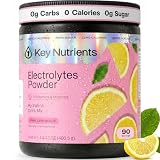
- Fresh Pink Lemonade – Staying hydrated goes beyond just drinking water, and a delicious pink lemonade electrolyte powder drink is the key. Free of calories, carbs, and sugar, this electrolytes powder makes hydrating refreshing and guilt-free!
- Loaded with Key Nutrients – Refuel with our Pink Lemonade electrolyte powder, powered by 6 key electrolytes, including magnesium, potassium, and calcium. Our electrolytes powder also contain 10 vitamins to help you stay healthy and hydrated.
- Combat Dehydration – When you sweat, you lose electrolytes: the minerals that keep you energized. And even too much drinking can be hard on your body’s levels. Replenish lost fluids with our electrolytes no sugar powder mix and keep up with your active lifestyle.
- Enjoy Anytime, Anywhere – Mixing it with any drink, cold or hot, or with 16fl oz water makes our hydration powder your perfect drink companion. No fillers and artificial ingredients just as nature intended.
- Powering Your Lifestyle – We are a veteran-founded business focused on developing high-impact health supplements for your active lifestyle. Made in the USA, our science-backed products help you lead happier and healthier lives.
Last update on 2026-11-18 / Affiliate links / Images from Amazon Product Advertising API
Manage Cravings, Stress, and Emotional Eating
Cortisol from chronic stress can increase appetite and drive cravings for high-sugar, high-fat foods. A 2017 study in Frontiers in Psychology found that mindful eating reduced binge-eating episodes by 40%. Managing these triggers is key to lasting weight loss.
The goal is not to rely on willpower alone. Strong cravings and emotional eating are patterns you can interrupt with a few simple tools. The strategies below give you practical ways to handle stress and urges without turning to processed food or empty calories.
Mindful eating slows the whole process down so your hunger hormones can catch up. Eat without screens, chew slowly, and rate your hunger and fullness from 1 to 10 before and after a meal.
This simple pause helps with portion control and lets satiety signals register before you overeat.
Stress management directly supports fat burning and hormonal balance. Try a five-minute box breathing exercise, a ten-minute walk, or a few minutes of journaling when tension builds.
Research suggests that lowering chronic stress helps calm cortisol and reduces the urge to reach for refined sugar.
A craving toolkit gives you a plan before the urge hits. Delay for ten minutes, drink a glass of water, distract yourself with a small task, or swap in a healthier option, like an apple with almond butter instead of candy.
These swaps protect your calorie deficit while still satisfying the moment.
For emotional eating, a food-mood journal reveals the triggers behind the habit. Track four things: time, food, emotion, and hunger level. Over a week or two, patterns emerge, such as snacking when bored or stressed rather than hungry.
Consider a real-world example. One person replaced evening snacking with a ten-minute meditation. The ritual eased the stress that drove the habit, and daily intake dropped by roughly 300 calories without any sense of deprivation.
Small, repeatable swaps like this build sustainable habits that support permanent weight loss.
Plan for Plateaus and Long-Term Maintenance
Weight plateaus are normal after 10 to 20 percent loss due to metabolic adaptation. Research shows that for every kilogram lost, daily calorie expenditure drops by about 20 to 30 calories beyond what would be expected from the smaller body size (Leibel et al., 1995).
Three forces work against you at this stage. Your basal metabolic rate falls as body mass shrinks, hunger hormones like ghrelin rise while leptin signals weaken, and NEAT (everyday movement like fidgeting and walking) quietly declines.
The result is a smaller calorie deficit than your tracking suggests. Reassure yourself that a plateau is a temporary stall, not a failure.
The fix is to adjust inputs rather than cut calories further.
Recalculate your needs with the Mifflin-St Jeor equation, then apply these steps:
- Raise protein intake to protect muscle mass and boost satiety.
- Add one or two strength training sessions weekly to support metabolism.
- Take a one- to two-week diet break at maintenance calories. The MATADOR study found that intermittent calorie restriction with breaks produced better fat loss and less regain than continuous dieting.
- Increase daily step count to counter falling NEAT.
Once you reach your target, shift your focus to preventing weight regain. Set a weight range of plus or minus 2 kg rather than a single number.
Weigh yourself weekly under the same conditions, keep a simple food journal, and schedule monthly check-ins to review trends before small slips become large ones.
A support system makes maintenance far easier. Join a community group, find an accountability partner, or hire a coach who can spot patterns you miss.
Shared goal setting and regular check-ins strengthen sustainable habits and reduce the pull of emotional eating.
Use this maintenance checklist as a weekly reference:
| Habit | Target |
|---|---|
| Sleep quality | 7 to 9 hours nightly |
| Daily movement | About 10,000 steps |
| Strength training | 3 sessions per week |
| Protein and fiber | At every meal |
| Hydration | Consistent water intake |
| Weigh-in | Once weekly |
Treat maintenance as an active skill, not a finish line. The habits that produced your weight loss, from portion control to mindful eating and regular exercise, are the same ones that keep it off.
Expect setbacks, correct them quickly, and keep your behavior change steady over months and years.

- Improved Peach Mango Flavor Electrolytes Powder Packets – Enjoy our sugar free electrolytes in convenient electrolytes powder packets. Perfect for wellness enthusiasts and ideal as fasting electrolytes, providing clean, great-tasting hydration powder for fast hydration anytime.
- Infused with Key Nutrients –These electrolyte powder packets are packed with 6 essential electrolytes, including selenium, sodium, potassium, and magnesium, plus 10 vitamins and minerals to support overall wellness in a simple electrolyte drink format.
- Combat Dehydration – Stay active and fight fatigue with these hydration packets. Our electrolyte packets are zero sugar drinks, naturally sweetened with stevia, helping replenish lost minerals, promote recovery, and fuel performance for workouts, fasting periods, or busy days.
- Refreshingly Convenient – Our sugar free drink mix packets dissolve easily in 16 fl oz of water. Each box includes 20 single-serve electrolytes powder packets for quick, portable hydration anytime, anywhere.
- Powering Your Lifestyle – We are a veteran-founded business focused on developing high-impact health supplements for your active lifestyle. Made in the USA, our science-backed products help you lead happier and healthier lives.
Last update on 2026-11-18 / Affiliate links / Images from Amazon Product Advertising API
Frequently Asked Questions
What does it actually mean to lose weight fast naturally and permanently?
Losing weight fast naturally and permanently means creating a safe calorie deficit through whole foods, movement, and sleep rather than crash diets or pills — then keeping the result by building habits you can sustain for life.
“Fast” realistically means 1-2 pounds per week; anything promising more is usually water weight that returns. The permanent part comes from changing your environment and routines, not from willpower alone.
Which foods help me feel full while eating fewer calories?
Prioritize protein, fiber, and water-rich foods: eggs, Greek yogurt, beans, lentils, chicken, fish, leafy greens, berries, and vegetables. Protein and fiber slow digestion and blunt hunger, so you naturally eat less without counting every bite.
Fill half your plate with vegetables, a quarter with lean protein, and a quarter with whole grains — a simple framework that supports how to lose weight fast naturally and permanently without feeling deprived.
How much should I exercise, and does it have to be intense?
Aim for about 150-300 minutes of moderate activity weekly plus two strength sessions. Walking, cycling, swimming, and household chores all count. Strength training matters most for permanence because muscle raises your resting metabolism, making it easier to maintain losses.
Consistency beats intensity — a daily 30-minute walk you actually do outperforms sporadic brutal workouts.
Why is sleep so important for weight loss?
Short sleep raises ghrelin (hunger hormone), lowers leptin (fullness hormone), and increases cravings for high-calorie foods. Aim for 7-9 hours and keep a consistent schedule. Good sleep also supports recovery from exercise and stable blood sugar.
If you’re wondering how to lose weight fast naturally and permanently, treating sleep as non-negotiable is one of the highest-leverage changes you can make.
How do I stop losing weight and then regaining it?
Regain usually happens when people return to old habits after a “diet ends.” Instead, lose slowly enough to preserve muscle, keep protein high, and lock in three or four routines – a standard breakfast, a daily walk, meal prep on one day – that survive busy weeks. Track your weight weekly rather than daily and set an action threshold (for example, 3 pounds above your target) that triggers a return to basics.
Can I speed things up without harming my health?
Yes – by tightening sleep, hydration, protein intake, and daily step count rather than slashing calories drastically. Very low-calorie diets cause muscle loss, fatigue, and rebound eating. Avoid detoxes, teas, and extreme fasting protocols marketed as shortcuts. The fastest safe path is a moderate deficit (about 500 calories below maintenance), strength training, and 8,000-10,000 steps daily — the core of how to lose weight fast naturally and permanently.