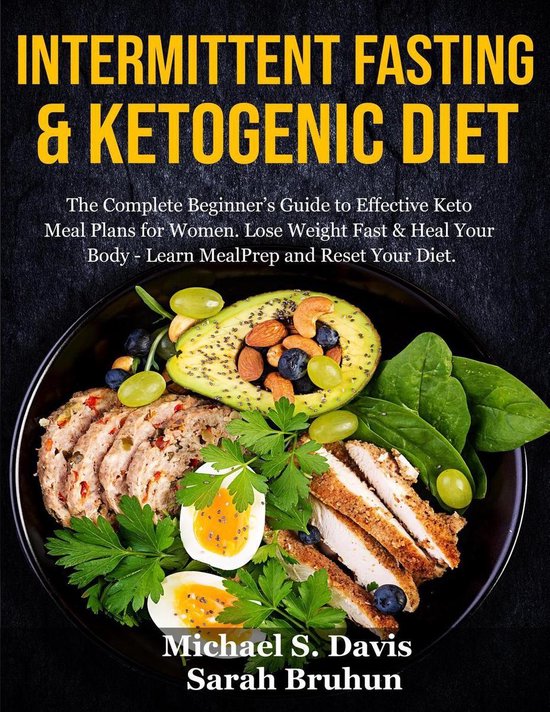
Fasting to Reset Metabolism
Fasting to reset metabolism can be extremely beneficial for losing weight and burning fat.
Using a combination of intermittent fasting and a raw food diet, you can easily achieve this goal.
During this period, your body uses up its glycogen stores for energy.
It is also possible to reset your metabolism by avoiding refined carbs and sugary foods.
Here are some tips to help you reset your metabolism:

Last update on 2026-10-15 / Affiliate links / Images from Amazon Product Advertising API
Fasting to Reset Metabolism Overview
Fasting, or voluntarily abstaining from food for set periods, can influence metabolism, the process your body uses to convert food into energy.
Research suggests that fasting can lead to improvements in weight management, insulin sensitivity, and cardiovascular health.
One mechanism behind these benefits is the potential “reset” of metabolism, which allows the body to improve its handling of nutrients and energy.
How to Fast to Reset Metabolism
1. Choose Your Fasting Method
- Intermittent Fasting (IF) involves alternating cycles of eating and fasting. Common patterns include 16/8 (fasting for 16 hours, eating during an 8-hour window) and 5:2 (eating normally five days a week, reducing calorie intake on two non-consecutive days).
- Time-Restricted Eating: This means limiting your daily eating window to a specific number of hours, often 6-10.
- 24-Hour Fasts: Going without food for 24 hours, once or twice a week.
- Extended Fasts last more than 24 hours and are often done under medical supervision.
2. Start Slowly
- If new to fasting, begin with shorter fasts and gradually increase the duration as your body adapts.
3. Stay Hydrated
- Drink plenty of water throughout the day. Herbal teas without added sugar are also a good option.
4. Pay Attention to Nutrition
- When you eat, focus on nutrient-dense foods such as vegetables, fruits, lean proteins, healthy fats, and whole grains to support your overall health.
5. Listen to Your Body
- If you feel unwell at any point (e.g., dizzy, excessively tired), consider breaking your fast and consult a healthcare professional.
6. Incorporate Physical Activity
- Light to moderate exercise can complement your fasting strategy, but listen to your body and adjust as needed.
7. Plan for Rest
- Ensure you get adequate sleep and manage stress, as both can impact your metabolic health and the effectiveness of fasting.
8. Monitor Progress and Adjustments
- Keep track of your feelings, weight changes (if that’s a goal), energy levels, and other health markers. Adjust your fasting method or schedule based on your goals and response.
9. Consult a Healthcare Professional
- Before starting any fasting regimen, especially if you have underlying health conditions or are taking medication, it’s crucial to talk with a healthcare provider.

Last update on 2026-10-15 / Affiliate links / Images from Amazon Product Advertising API
How to Implement Intermittent Fasting (IF) for Metabolic Reset
Intermittent Fasting (IF) involves cycling between periods of eating and fasting. It can help reset your metabolism by improving insulin sensitivity, promoting fat loss, and enhancing cellular repair processes. Here’s a detailed guide on how to do it:
1. Choose Your IF Method
- 16/8 Method: Fast for 16 hours each day and eat during an 8-hour window. For example, eat between 12:00 pm and 8:00 pm, then fast until noon the next day.
- 5:2 Method: Eat normally five days a week, then consume only 500-600 calories on two non-consecutive days.
2. Gradually Transition into Fasting
- If you’re new to fasting, start with a shorter fasting period, such as 12 hours, and gradually increase to 16 hours or more as your body adapts.
3. Stay Hydrated
- Drink water throughout your fasting period. You can also have black coffee and tea without sugar or milk.
4. Plan Your Eating Windows Wisely
- During your eating window, focus on balanced meals rich in nutrients. Include proteins, healthy fats, vegetables, fruits, and whole grains.
- Avoid overeating by starting with a moderate-sized meal and eating slowly to give your body time to recognize fullness signals.
5. Incorporate Nutrient-Dense Foods
- Prioritize foods high in fiber, vitamins, minerals, and other nutrients necessary for metabolic health.
6. Listen to Your Body
- Pay attention to how you feel during fasting and eating periods. If you experience significant discomfort or adverse effects, consider adjusting your fasting schedule or consulting a healthcare professional.
7. Combine with Healthy Lifestyle Habits
- Regular physical activity can enhance the benefits of IF. Aim for a mix of cardio, strength training, and flexibility exercises.
- Ensure adequate sleep each night (7-9 hours for most adults) to support metabolic health and recovery.
8. Be Consistent but Flexible
- Consistency is key to seeing results with IF. However, life events may require flexibility in your fasting schedule. It’s okay to adjust as needed; aim to get back on track as soon as possible.
9. Monitor Your Progress
- Keep track of changes in your body composition, energy levels, and overall feelings. This will help you assess the effectiveness of IF for your metabolic reset.
10. Consult a Healthcare Professional Before Starting
- It is especially important if you have health conditions or are on medication. A healthcare provider can offer personalized advice and ensure IF is safe for you.
Conclusion
Intermittent fasting can be an effective strategy for resetting your metabolism when done correctly.
By choosing a suitable fasting method, focusing on hydration and nutrition during your eating windows, incorporating healthy lifestyle habits, and listening to your body’s signals, you can maximize the metabolic health benefits of IF.

- ORGANIC RESISTANT STARCH BLEND – Made with organic green banana flour, organic potato starch powder, and larch tree powder for a clean, plant-based source of resistant starch.
- FORMULATED BY DR. ALAN CHRISTIANSON – Designed by a naturopathic physician and New York Times best-selling author of The Metabolism Reset Diet for reliable resistant starch supplement support.
- CLEAN, NON-GMO & GLUTEN-FREE – Crafted with organic green banana powder, banana flour organic, and powdered banana. Free from additives, fillers, gluten, and dairy.
- FLAVORLESS & EASY TO MIX – This resistant starch powder blends smoothly into water, smoothies, or yogurt with no taste, grit, or aftertaste.
- MADE IN THE USA, GMP CERTIFIED – Produced to the highest standards with organic green banana flour organic and organic green banana powder for trusted quality in every scoop.
Last update on 2026-10-15 / Affiliate links / Images from Amazon Product Advertising API
Implementing a Raw Food Diet for Metabolic Reset
A raw food diet focuses on consuming mostly or all unprocessed and uncooked foods. It believes that higher nutrient levels and enzymes in raw foods can enhance digestion and improve overall health.
Here’s a step-by-step guide to adopting a raw food diet for metabolic reset:
1. Understand the Basics
- Core Principle: At least 75% of your diet should contain uncooked, unprocessed foods.
- Main Foods: Fruits, vegetables, nuts, seeds, sprouted grains, legumes, seaweeds, and other organic, unprocessed foods.
- Avoided Foods: Processed foods, foods cooked at temperatures above 118°F (48°C), refined sugars, and flours.
2. Gradually Transition
- Start by incorporating more raw fruits and vegetables into your meals.
- Gradually increase the raw food portion of your diet over weeks or months to ease the transition and minimize digestive discomfort.
3. Plan Your Meals
- Breakfast options might include fruit salads, smoothies, or chia puddings.
- Lunch and dinner can consist of large salads, raw soups, vegetable noodles, or wraps using lettuce leaves or nori sheets.
- Snacks can include raw nuts, seeds, fruit, or raw crackers.
4. Ensure Nutritional Adequacy
- Protein: Obtain from sprouted beans, seeds, nuts, and spirulina.
- Calcium: Found in green leafy vegetables, almonds, and sesame seeds.
- Iron: Abundant in spinach, Swiss chard, and dried fruits.
- Omega-3 Fatty Acids: Flaxseeds, chia seeds, and hemp seeds are excellent sources.
5. Stay Hydrated
- Drink plenty of water throughout the day. Fresh juices and coconut water are also good options for hydration.
6. Use Techniques to Mimic Cooking
- Soaking: Softens nuts, seeds, and grains.
- Sprouting: Increases nutrient availability in seeds, grains, and legumes.
- Fermenting: Adds beneficial bacteria, aiding in digestion.
- Dehydrating: Allows for creating “baked” goods without exceeding 118°F.
7. Listen to Your Body
- Pay attention to how your body responds to the diet. Some people may require adjustments to meet their nutritional needs.
8. Supplement Wisely
- Supplements should be considered for nutrients that might be challenging to get enough of on a raw diet, such as Vitamin B12, Vitamin D, and possibly iron and omega-3 fatty acids.
9. Educate Yourself
- Read books, watch documentaries, and follow raw food enthusiasts for inspiration and practical advice on maintaining a raw food lifestyle.
10. Consult with a Nutrition Expert
- Before starting a raw food diet, especially if you have existing health conditions or nutritional concerns, consult a dietitian or healthcare provider familiar with raw diets to ensure your nutritional needs are met.
Conclusion
Adopting a raw food diet can be a transformative approach to resetting your metabolism and enhancing overall health.
By gradually transitioning to a diet rich in raw foods, ensuring nutritional adequacy, and listening to your body’s needs, you can effectively harness the benefits of this natural and nutrient-dense way of eating.
No products found.
Glycogen stores are used for energy.
The first step in resetting your metabolism is to understand glycogen.
Glycogen is a multibranched polysaccharide of glucose that is the main energy storage in animals, fungi, and bacteria.
Fasting helps reset your metabolism to its resting state, restoring your glycogen stores to total capacity. However, fasting may not be a good idea for everyone.
Using glycogen for energy in fasting depends on glucose levels falling below the critical level.
During fasting, the production of insulin is reduced while the synthesis of glycogen is stimulated.
The primary source of blood glucose during the first eight to twelve hours is liver glycogen. After that, the rest of the body relies on amino acids and free fatty acids to meet energy needs.
Fasting can reset your metabolism if you’ve been exercising for a long time without eating.
When you exercise for a long time without eating, your muscles can use up to 15 percent of stored glycogen for energy.
Exercise helps break down muscle glycogen into glucose, which is converted back to energy during exercise. However, fasting isn’t the only way to reset your metabolism.
Once your glycogen stores run out, your body will switch to a catabolic state. This process involves breaking down stored fat and glucose.
Glycogen stores will deplete within twelve to twenty-four hours, leaving your body with few choices but to use glucose or ketone bodies as its primary fuel source.
This is a crucial step in the process of fasting to reset metabolism.
Cardiovascular Exercise to Rev Metabolism While Fasting
Cardiovascular or aerobic exercise involves sustained physical activity that increases heart and lung activity.
When combined with fasting, it’s believed to enhance metabolic rate and fat utilization, contributing to various health benefits.
Below, we explore how cardiovascular exercise can impact metabolism during fasting and its advantages and potential drawbacks.
How It Works
- Enhanced Fat Oxidation: Fasting shifts the body’s energy from glucose to fat. Cardiovascular exercise during this state may increase fat oxidation as the body taps into fat stores for energy.
- Increased Metabolic Rate: Exercise can temporarily boost your metabolic rate, meaning you burn more calories during and after the workout. This phenomenon is known as excess post-exercise oxygen consumption (EPOC).
- Improved Insulin Sensitivity: Fasting and exercise improve insulin sensitivity, which can help regulate blood sugar levels more efficiently and support overall metabolic health.
Pros of Cardiovascular Exercise While Fasting
- Enhanced Fat Loss: Combining fasting with cardiovascular exercise may lead to greater fat loss, as the body is more likely to use fat as its primary fuel source.
- Improved Cardiovascular Health: Regular cardiovascular exercise strengthens the heart and lungs, reduces blood pressure, and improves cholesterol levels.
- Increased Growth Hormone Secretion: Fasting and exercise stimulate the secretion of growth hormone, which helps in fat loss and muscle preservation.
- Convenience: Some find it easier to engage in cardiovascular activities like walking, running, or cycling on an empty stomach, particularly in the morning.
- Mental Clarity: Many report heightened mental clarity and focus during fasted exercise, which can be attributed to the release of endorphins and other hormonal responses.
Cons of Cardiovascular Exercise While Fasting
- Potential for Muscle Loss: Without proper nutrition, prolonged cardio exercise while fasting might lead to muscle breakdown if the body begins to use muscle protein for energy.
- Energy Levels: Some may initially experience reduced energy levels during fasted exercise, impacting workout intensity and overall performance.
- Risk of Hypoglycemia: Low blood sugar levels during fasting exercise can lead to dizziness, nausea, and fainting in some individuals.
- Nutritional Deficiencies: Without careful dietary planning, fasting with regular, intense exercise may result in nutritional deficiencies over time.
- Recovery May Be Impacted: Adequate nutrition is essential for recovery from exercise. Fasting post-exercise might slow recovery processes and increase fatigue.
Implementing Cardiovascular Exercise While Fasting Safely
- Start Slowly: Begin with low to moderate-intensity cardio to assess how your body responds.
- Stay Hydrated: Drink water or electrolyte-rich beverages before and after exercising to stay hydrated.
- Monitor Your Body: Pay attention to how you feel during fasted cardio. If you experience negative symptoms, consider eating a small, nutrient-dense snack before exercising.
- Choose the Right Time: Many find that a cardio session towards the end of their fasting period works well, followed by a nutritious meal to aid recovery.
- Listen to Your Body: Adjust the intensity and duration of your workouts based on your energy levels and overall health.
Cardiovascular exercise while fasting can offer several metabolic benefits, including enhanced fat oxidation and improved insulin sensitivity.
However, it’s important to approach this practice cautiously to avoid potential downsides such as reduced energy levels or muscle loss.
By listening to your body and incorporating strategies to support safe and effective workouts, you can leverage fasted cardio to improve metabolic health and achieve fitness goals.
Final Thoughts
Fasting can be a powerful tool for resetting metabolism, but it’s important to approach it thoughtfully and safely.
By choosing the right fasting method, focusing on hydration and nutrition, listening to your body, and seeking professional advice when necessary, you can harness the benefits of fasting to support your metabolic health.