Tips for Easing into Intermittent Fasting
Intermittent fasting is a wonderful healthy lifestyle choice, but one that does take some getting used to.
If you struggle to keep up with fasting, you might want to ease into it slowly.
Intermittent fasting has gained popularity as a flexible approach to improving health and managing weight.
While the concept is straightforward—alternating eating periods with fasting periods—it can be challenging to adjust to this new eating pattern.
Whether you’re looking to enhance your energy levels, lose weight, or improve metabolic health, easing into intermittent fasting thoughtfully and gradually can make the transition smoother and more sustainable.

Last update on 2026-08-31 / Affiliate links / Images from Amazon Product Advertising API
Here are 10 tips to help you adopt intermittent fasting into your lifestyle, ensuring you reap the benefits while minimizing discomfort and potential setbacks.
- Start Slowly
- Begin with shorter fasting periods and gradually increase the duration. For example, skip breakfast and extend the fasting window over time.
- Stay Hydrated
- Drink plenty of water throughout the day. Herbal teas and black coffee (without sugar or cream) are also good options to help keep you hydrated and make fasting periods easier to manage.
- Plan You’re Eating Windows Carefully
- Schedule your eating windows at times that work best for your lifestyle and energy needs. Eating between 12 pm and 8 pm works well for many, but adjust based on your daily routine and how your body responds.
- Consume Balanced Meals
- Focus on nutritious meals, including lean proteins, healthy fats, and fiber. These foods can help keep you fuller and provide the energy you need during your eating windows.
- Ease Into Exercise
- If you’re not accustomed to regular exercise, start with light activities such as walking or yoga. Listen to your body and gradually increase intensity based on how you feel during fasting.
- Listen to Your Body
- Pay attention to how your body responds to fasting. If you feel tired, dizzy, or experience other adverse effects, consider adjusting your fasting schedule or consult a healthcare professional.
- Use Distractions
- During fasting periods, engaging in activities that keep your mind off food can be helpful. Reading, hobbies, work, or walking can be effective distractions.
- Get Enough Sleep
- Ensure you are getting adequate sleep each night. Lack of sleep can increase hunger hormones, making fasting more challenging.
- Manage Stress
- High stress levels can make it more difficult to stick with intermittent fasting by influencing hunger and eating patterns. To reduce stress, practice stress-reduction techniques such as deep breathing, meditation, or yoga.
- Seek Support
- Connect with others practicing intermittent fasting through online communities or local groups. Sharing experiences and tips can provide motivation and help you navigate challenges.
Be Clear About What You Expect and Why
When you see success stories about people who get amazing results from their endeavors, it’s important to remember that every person is different. Everyone starts from a different place, and chances are pretty high that people doing 18-20-hour fasts didn’t start there.
It is always good to consider why you are fasting, why you chose the protocol you did, and understand what you expect from it.
Remember that fasting, whether 14-16 hours or over 20 hours a day, is still good for your body.
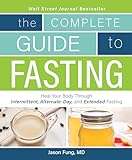
Last update on 2026-08-31 / Affiliate links / Images from Amazon Product Advertising API
Do Something Easy To Start
The best way to prepare for success is to set yourself up.
Choose some easy goals that will help you move in a positive direction. If you aren’t ready to completely skip breakfast, don’t!
Just eat a little later and keep pushing it further and further away.
Another way to start with something easy is to have three meals a day without snacks.
Still, eat the calories and nutrients you need, but condense them into those three meals instead of having snacks.
This gets you used to eating more of your food in meals instead of 5-6 times a day with snacks and desserts.
Be Flexible with Time
Something that can be hard for people to grasp is that there should only be one specific time frame when you can fast.
Depending on your schedule, your eating window can be open anytime during the day or night.
You often hear that the 16:8 protocol involves “skipping breakfast” and not eating until noon. But this isn’t true for everyone.
While it is often easy to skip breakfast, others find they are hungry in the morning and prefer to skip dinner or eat a much earlier dinner.
Pick a Few Days to Experiment
Fasting can be fun in some ways, but only when you’re finding success.
Choose days that leave you room to make more choices.
Try not to start fasting when your schedule is crushed seven days a week. You’ll drive yourself crazy trying to balance the calendars.
Just be sure to make small amounts of progress and stay patient.
Work up to having a day where you do a full day of your chosen fasting schedule.
Eat the food you love within your chosen time slot.
Adopting intermittent fasting into your lifestyle can be a powerful tool for achieving various health goals, from weight loss to improved metabolic health.
However, the key to success lies in the approach.
By starting slowly, staying hydrated, planning your eating windows carefully, and paying attention to your body’s signals, you can make the transition more manageable and sustainable.
Remember to consume balanced meals during your eating windows, ease into exercise, manage stress, and ensure you’re getting enough rest.
Distractions can help you navigate fasting periods more comfortably, and seeking support from others on the same journey can provide motivation and guidance.
With patience and persistence, intermittent fasting can become a seamless part of your routine, leading to long-term health benefits.