How to Break a Fast and Reach Your Goals
As you begin learning more about intermittent fasting, you will have many questions. How long should you fast, what are the benefits, and do you fast every day?
One of the most common questions is what can actually break a fast.
While studies are still being performed to determine what breaks a fast, here are some things we do know so far.
Breaking a fast should be approached carefully to minimize discomfort and potential negative health effects.

Last update on 2026-10-08 / Affiliate links / Images from Amazon Product Advertising API
Here are several ways to break a fast, each suitable for different fasting durations.
Short Fasts (12-24 hours)
1. Hydrate First
- Example: Start with water or herbal tea to ensure you’re well-hydrated.
2. Eat Light Meals
- Example: Consume easily digestible foods like fruits, vegetables, or a small salad.
3. Incorporate Proteins Gradually
- Example: Add small portions of lean protein like chicken, fish, or tofu to your meal after consuming some fruits or vegetables.
Medium Fasts (24-72 hours)
1. Begin with Liquids
- Example: Drink a bone broth or vegetable broth. These are gentle on the digestive system and provide essential nutrients.
2. Soft Cooked Vegetables
- Example: After a few hours, introduce soft-cooked vegetables, such as steamed carrots or squash, to gently reintroduce fiber.
3. Add Fermented Foods
- Example: Incorporate a small portion of yogurt or kefir to reintroduce beneficial bacteria to your gut.
Long Fasts (More than 72 hours)
1. Break Gently with Broth
- Example: Start with a light bone or vegetable broth several times daily before moving to solid foods.
2. Introduce Soft Foods
- Example: After broth, eat small quantities of soft foods like avocado or apple sauce.
3. Gradually Increase Fiber
- Example: Slowly add more fibrous vegetables like leafy greens, or Brussels sprouts over the next few days.
4. Reintroduce Whole Meals Gradually
- Example: Begin eating more substantial meals that balance carbohydrates, proteins, and fats only after successfully introducing simpler foods without discomfort.
General Tips for All Fast Lengths
- Listen to Your Body: Start with small servings and gradually increase based on your feelings.
- Stay Hydrated: Continue drinking plenty of water or herbal teas.
- Avoid Sugary and Processed Foods: These can spike blood sugar and cause discomfort after fasting.
- Chew Thoroughly: This will help with digestion and nutrient absorption.
Following these guidelines can help ensure that breaking your fast is a comfortable and healthy process.
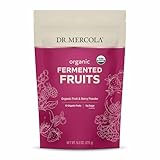
- Supports Nutrient Absorption: Dr. Mercola Organic Fermented Greens and Fermented Fruits help support digestion and cellular health with a blend of organic grasses, vegetables, sprouts, and algae
- Fermented for Better Digestion: The specialized fermentation process makes nutrients easier to digest and enhances the bioavailability of vitamins, minerals, and antioxidants
- Zero Sugar & Easy to Mix: This convenient powdered blend contains no added sugar and mixes easily; contains zero grams of sugar, making it ideal for low-carb and ketogenic eating plans
- Premium Fruits Powder: Features ten Certified Organic fermented fruits and berries, ensuring a high-quality, clean formula that is USDA Organic, Non-GMO, soy-free, and gluten-free
- Empowering You: We give you the resources to take control of your health with regenerative practices and informed consent principles
Last update on 2026-10-09 / Affiliate links / Images from Amazon Product Advertising API
Avoid Anything That Raises Your Insulin
To put it simply, anything other than water, black coffee, or unsweetened tea could potentially break your fast.
Some people can have 50 calories or less and be okay, but this will depend on your preferences and goals.
But to keep it simple, you want to avoid raising your insulin in your fasting window, as that is the point of fasting.
This means nothing with calories, carbs, fat, protein, or sugar.
You might hear someone say they have collagen peptides with their coffee since it is only 35 calories, but it also contains 10 grams of protein, sure to break your fast.
Be Careful with Artificial Sweeteners
While studies are still looking at whether or not artificial sweeteners affect your fast, it is best not to have them if you can help it.
You will find these sweeteners in many beverages labeled as calorie-free or sugar-free.
This might include sugar-free creamer in your coffee, sweetened sparkling water, or energy drinks with no sugar or calories.
If you insist on having some of these beverages to help you through your fasting periods, experiment a little.
Try drinking them for a few days while fasting and a few days without them, and compare your results.
Do What Improves Your Happiness and Effectiveness
There should be a balance between being happy with your life while fasting and what is effective.
You don’t want to turn this into a diet that makes you feel miserable, where every time you fast, you just hate your life because you can’t have sparkling water or a Diet Coke on occasion.
You must understand your motivations, why you want to fast, and what you hope to gain. Some people would prefer not to risk it and just have water and black coffee.
Other people feel much better about having a little splash of creamer in their coffee in the morning.
This is your journey, and it is up to you to figure out what is best for you.