Lose 20 Pounds with Fasting: Step-by-Step Plan
Discover a step-by-step fasting plan to lose 20 pounds. Learn the best protocols, manage hunger, and optimize nutrition to reach your goal.


Discover a step-by-step fasting plan to lose 20 pounds. Learn the best protocols, manage hunger, and optimize nutrition to reach your goal.

Research indicates that intermittent fasting can lead to hormonal changes such as increased insulin sensitivity and improved metabolic function. It may also influence levels of sex-binding globulin hormone (SHBG) and testosterone, which are important for women’s reproductive health.

Detox diets can be restrictive and may not provide enough essential nutrients, leading to potential risks such as fatigue, headaches, and nutrient deficiencies. It’s important to consult with a healthcare professional before starting any detox program.

Intermittent fasting may not suit everyone, especially those with certain medical conditions or nutritional needs. It’s essential to consult a healthcare professional before starting any fasting regimen.

The benefits of IF are significant, but it’s important to remember that it is not a diet and should be viewed as a change in lifestyle. When you are not fasting, you should eat a healthy, balanced diet and drink plenty of water throughout the day

Combine intermittent fasting with other healthy lifestyle practices, such as regular physical exercise, adequate sleep, and stress management techniques, for optimal brain health benefits.

Maintaining a balanced diet while working from home requires mindful planning and conscious eating habits.

A cleanse is a type of diet that aims to rid the body of toxins. It typically involves consuming specific foods and beverages while avoiding others.
There are many types of cleanses, but most involve fasting or restricting certain food groups.
The time it takes to see results when changing your diet and exercise habits can vary from person to person. Factors such as current fitness level, metabolism, genetics, and adherence to the new routine play a role.

Your diet should include a mix of different food groups, including fruits, vegetables, lean proteins, whole grains, and dairy or dairy alternatives.

The first step in this process is to plan your meals. This can be as simple as knowing what to eat for breakfast or packing leftover soup for lunch.

Remember that fasting should be done with healthy eating habits. You still need to eat regular meals during your fasting window, so be sure to include plenty of fruits and vegetables as well as lean proteins.

Emotional eating is a common behavior many people engage in, often without realizing it. It involves consuming food as a way to deal with feelings rather than to satisfy hunger. The cycle of boredom is one emotional state that can lead to this type of eating.

Prebiotics provide “food” meant to promote the growth of beneficial bacteria in the gut, while probiotics are good live bacteria. Eating prebiotic and probiotic food sources together can help you maintain a healthy balance of these bacteria.

Although not as proven as a cure for cancer, intermittent fasting has been shown to enhance your treatment and boost your odds of survival. Several randomized controlled trials have shown that it can reduce side effects such as nausea and fatigue.

When fasting, carefully planning your nutrition is crucial to ensure that, during eating windows, you consume foods rich in complex carbohydrates and proteins. These nutrients are digested slowly, providing a sustained energy source, which is vital since there are extended periods without food intake.
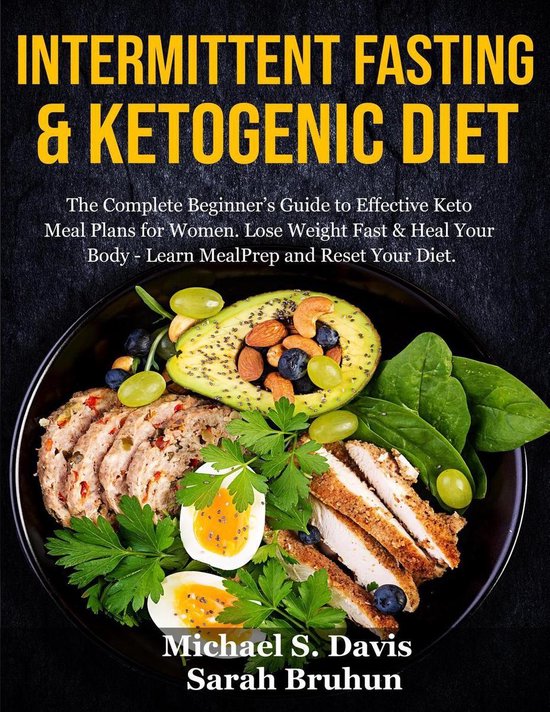
Individuals considering keto fasting must understand the importance of moderation and balance in their approach. While the diet can yield positive outcomes when followed correctly, avoiding extreme restrictions for extended periods is essential.

Fasting may reduce appetite due to hormonal changes that help regulate hunger. Some individuals find intermittent fasting helps them better understand true hunger cues and develop healthier eating habits.
Research has shown that intermittent fasting, in which you fast for a period of time, can reduce the risk of cardiovascular disease. Additionally, it increases the amount of human growth hormone in your body. Increased human growth hormone leads to the growth of muscle tissue.

While a healthy diet and regular exercise are a must for all women, it is not the only way to achieve your weight loss goals. Many women have an unhealthy relationship with their food; the best way to prevent this is to establish healthy boundaries.

One of the best ways to ensure a successful fast is to prepare your body for the task by ensuring adequate nutrition and physical activity. It is a well-known fact that exercise burns calories faster than a good meal, so you should prioritize including it in your diet plan.

Intermittent fasting is a popular eating pattern that restricts food intake to predetermined times. This eating regimen has been linked to numerous health benefits. Among them are the ability to speed fat loss, enhance lipolysis, and promote well-being
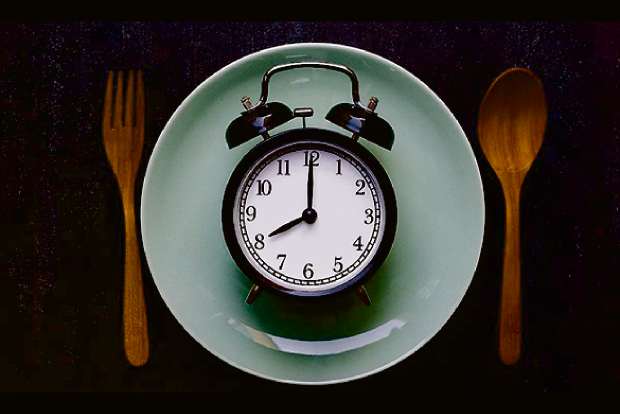
Intermittent fasting is limiting the window of time each day when a person eats. It has become popular as a weight loss tool, so people want to know if it’s effective and whether it can work for them, and a

Understanding the body’s response to fasting and evaluating its safety and effectiveness is crucial in making informed decisions about your weight loss journey.
End of content
End of content