The Power of Intermittent Fasting: Unlocking Optimal Health
While you can practice intermittent fasting without undergoing serious health complications, you must consult a doctor before beginning the diet.
Your physician will consider your health history, medications, and eating habits. If you have a chronic medical problem, your eating pattern may need to be adjusted.
Nevertheless, intermittent fasting is popular among many who want to lose weight. If you have any doubts about this diet, consult a physician before starting it.
Intermittent fasting (IF) is a dietary approach that cycles between periods of fasting and eating. It doesn’t specify which foods you should eat but rather when you should eat them.
No products found.
Below are several benefits of intermittent fasting supported by science:
1. Weight Loss and Fat Loss
Explanation: Intermittent fasting can lead to weight loss by creating a calorie deficit. It limits the time window for eating, which often naturally reduces calorie intake. Additionally, fasting periods enhance hormone function to facilitate weight loss. Higher levels of norepinephrine (noradrenaline), combined with lower insulin levels, increase body fat breakdown and facilitate its energy use.
2. Improved Insulin Sensitivity
Explanation: IF can improve insulin sensitivity, lowering blood sugar levels by 3-6% and fasting insulin levels by 20-31%, which protects against type 2 diabetes. When your body becomes more sensitive to insulin, it requires less insulin to lower blood glucose levels, a positive outcome for metabolic health.
3. Enhanced Heart Health
Explanation: Intermittent fasting may reduce several risk factors for heart disease, such as inflammatory markers, blood sugar and insulin resistance levels, LDL cholesterol, and blood triglycerides. By addressing these risk factors, IF can contribute to overall heart health.
4. Brain Health
Explanation: Intermittent fasting increases the brain hormone BDNF (Brain-Derived Neurotrophic Factor), and may aid in the growth of new nerve cells. It also may protect against Alzheimer’s disease and reduce oxidative stress and inflammation in the brain, promoting improved cognitive function.
5. Cellular Repair Processes
Explanation: Fasting triggers autophagy, a process where cells remove old and dysfunctional proteins that build up inside cells. Enhanced autophagy may protect against several diseases, including cancer and Alzheimer’s.
6. Potential Cancer Benefits
Explanation: Although more research is needed, some studies suggest that intermittent fasting may help prevent cancer or reduce the side effects of chemotherapy. The theory is that fasting could slow down the metabolism of cancer cells and make them more susceptible to treatments.
7. Longevity
Explanation: Some animal studies suggest that intermittent fasting can extend lifespan. While it’s uncertain if the same effect can be observed in humans, the potential health benefits of IF, such as improved heart health and reduced cancer risk, could contribute to a longer life.
8. Simplification of Lifestyle
Explanation: Intermittent fasting simplifies daily routines by reducing the number of meals you need to plan for, prepare, and clean up after. This can lead to less stress and more free time for other activities.
It’s important to note that intermittent fasting isn’t suitable for everyone, and its effectiveness can vary from person to person. Individuals with certain health conditions or dietary needs should consult a healthcare professional before starting an intermittent fasting regimen.
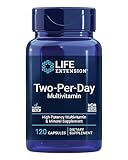
- Meets & exceeds recommended daily allowance – In order to support optimal health and well-being, you need a science-based dose of vitamins and minerals every day. Our Two-Per-Day Multivitamin meets or exceeds the Recommended Dietary Allowance (RDA) for nearly every ingredient where an RDA exists, for both common and hard-to-get nutrients, like biotin, vitamin A through vitamin E, and even iodine, thiamine and selenium.
- Support immune health with vitamins C & D – Vitamin C is associated with immune system health, which may be due to its ability to scavenge free radicals and protect against oxidative stress, as well as its stimulation of the production and function of white blood cells. Vitamin D3 supports immune system health, bone health and more.
- Get the most from your multivitamin – Everyone should be getting the most out of their daily multivitamin. There’s no simpler way to ensure your body is getting the essential vitamins, minerals and nutrients it needs to support your health. But not all multivitamins are created equal, so choose our best wellness formula for overall health: Two-Per-Day Multivitamin.
- Ingredients matter – Sourced using only the finest raw ingredients with the purity and potency your body deserves. The majority of our products are non-GMO, gluten-free and manufactured in the USA—and a Certificate of Analysis is available for every product we produce.
- Live your healthiest life – For over 40 years, we’ve been developing advanced, effective formulas made with the highest standards and based on the latest scientific findings. We believe the answers to a healthier, richer life are within reach, and that rigorous scientific research is the path to get us there. That’s why so many of our nutritional formulas are designed using specific ingredients and amounts based on scientific studies.

Last update on 2025-12-05 / Affiliate links / Images from Amazon Product Advertising API
Initially, it would be best to choose an appropriate intermittent fasting duration.
The standard fasting period is 12 or 16 hours, and the best choice for beginners is the 12—or 16-hour approach.
Another method, flexible intermittent fasting, involves skipping meals while consuming healthy foods at regular intervals.
It works best if you can monitor your hunger signals carefully.
You may feel more comfortable skipping your meal than with traditional fasting.
A healthy meal plan should include a nutritious breakfast and a balanced lunch and dinner.
During non-fasting periods, you should eat balanced meals to maintain good health. In addition to skipping breakfast, you should eat a balanced meal, including snacks.
Eat a well-balanced meal at least two times a day to ensure that you’re getting the right nutrients.
One study by the University of Alabama found that individuals undergoing a rigorous fasting regimen benefited from a wide range of benefits. They had reduced insulin levels, improved insulin sensitivity, and lower blood pressure.
Those who used an eight-hour feeding schedule showed significantly lower blood sugar levels and decreased appetite.
Despite the many benefits, intermittent fasting may not be for everyone.
The practice may require a medical professional to monitor your diet closely.
Researchers at the University of Alabama studied obese men with diabetes and prediabetes. They compared their insulin levels to those who ate meals regularly.
The group that ate during the daytime exhibited significantly higher insulin sensitivity and improved blood pressure than those who ate irregularly.
The men who ate earlier were also significantly less likely to experience headaches or stomach pain. The researchers also observed that the study subjects were more active and had lower blood pressure.
Power of Intermittent Fasting Benefits
The benefits of intermittent fasting are not limited to weight loss, however. The practice improves the health of athletes.
It also promotes lean muscle mass, which is important for a long-term, sustained fast. It can also be used to prevent obesity in humans.
This study grouped participants into two groups: those who practice intermittent fasting and those who do not. The former group performed the study, while the latter group did not.
The results of the two studies showed that the results of the two diets were similar.
Intense exercise has been shown to increase weight loss and reduce the risk of diseases. Intermittent fasting is a good option for losing weight and burning fat.
This diet plan can boost your metabolism and reduce your risk of chronic diseases.
Although intermittent fasting is not for everyone, the results have been encouraging, and it’s worth trying.
Just make sure you consult a physician before beginning the diet.
Research on intermittent fasting is growing. Its benefits can be seen immediately.
The practice of intermittent fasting is beneficial in many ways. The diet allows you to eat a wide variety of foods and not always feel hungry.
The study found that eating less than you normally do can increase your metabolism, improve digestive health, and lower your risk of disease.
While this diet can help you lose weight, it can also cause many other negative effects.
Intense exercise can increase weight loss. You should also avoid starvation.
It’s important to stay away from caffeine and other stimulants, which can increase your risk of cardiovascular diseases.
During an intermittent fasting diet, you should consume more water and drink less alcohol.
Your body will thank you for it. You will be happier and healthier than ever before.
But it’s important to understand that this diet plan doesn’t replace a healthy diet.