Unlocking the Secrets of the Atkins Diet: Benefits, Risks, and Side Effects
The Atkins diet is a popular choice for individuals seeking to lose weight quickly; however, it’s essential to consider potential side effects before making significant changes.
While many find success with the Atkins diet, side effects can range from mild headaches to digestive issues, especially in the first phase.
Knowing both the benefits and risks will help you determine if this approach aligns with your lifestyle and goals.
If you’re serious about losing weight, understanding Atkins diet side effects puts you in a better position to succeed and stay healthy throughout your journey.
- Brigitte, Brigitte S. (Author)
- English (Publication Language)
- 120 Pages – 04/15/2021 (Publication Date) – Independently published (Publisher)
Last update on 2026-02-03 / Affiliate links / Images from Amazon Product Advertising API
What is the Atkins Diet?
The Atkins diet is a well-known low-carb plan that has helped many people lose weight and manage their health.
With its focus on limiting carbs (instead of just counting calories), this diet stands out from the crowd and has sparked plenty of conversations over the years.
Let’s break down what makes the Atkins diet unique and how it’s set up.
The Core Principles of the Atkins Diet
The Atkins diet is based on one main idea: by lowering your carb intake and increasing protein and healthy fats, your body will burn fat for fuel instead of carbs.
This simple shift in your eating plan can fire up weight loss and provide steadier energy throughout the day.
Key ideas behind Atkins include:
- Low-carb focus: Foods high in carbohydrates (such as bread, pasta, and sugar) are limited. Protein, non-starchy vegetables, and fats take center stage.
- Phased approach: The diet is structured in stages, each with its own rules and flexibility.
- Personalization: The plan encourages finding your personal carb balance for ongoing results.
The Phases of the Atkins Diet
The Atkins diet isn’t one-size-fits-all. It has four key phases that help you start, maintain, and enjoy a healthy weight:
- Induction: The strictest phase, lasting about two weeks. You’ll eat no more than 20 grams of net carbs per day, mostly from leafy greens and non-starchy veggies. This is when your body shifts into fat-burning mode, called ketosis.
- Balancing: Gradually reintroduce some carbs (such as nuts, seeds, and berries) while maintaining steady weight loss.
- Pre-Maintenance: Carbs are increased further. The goal is to slow weight loss as you approach your target.
- Maintenance: You reach your personal carb limit, which helps you maintain the weight off long-term without gaining.
Each phase brings back more food choices, with a strong focus on learning which carbs your body handles best.
How the Atkins Diet Works for Weight Loss
At its heart, the Atkins diet helps people lose weight by reducing insulin surges that can trigger fat storage.
By reducing your carb intake, your body taps into stored fat for energy, which can lead to weight loss, particularly in the initial stages.
Unlike traditional low-fat diets, the Atkins diet supports a higher intake of protein and fat to keep you full and satisfied.
People often find that the stricter early phase leads to dramatic, rapid losses (primarily due to water loss, followed by fat loss).
Later stages let you enjoy more variety while still keeping carbs in check. This helps many stay with the plan for the long haul.
For more details about the science behind how low-carb diets work and the lifestyle adjustments you might need to consider, you can read about the differences between keto and Atkins diets, as the two are often compared but employ different strategies.

- HIGH PROTEIN SHAKES – Each serving provides 15g protein to support your nutrition goals, making these a mindful choice among protein shakes for weight loss support
- DELICIOUS VANILLA FLAVOR – Satisfy cravings with rich vanilla flavored protein shakes designed for breakfast or mid-day energy, great as a ready to drink option anytime
- KETO-FRIENDLY SHAKES – Designed for those searching for keto protein shakes that fit seamlessly into your daily routine
- CLINICALLY PROVEN SUPPORT – Clinically proven to help you lose weight when used as part of your Atkins weight loss plan
- READY TO DRINK CONVENIENCE – Individually packaged so you can enjoy breakfast protein shakes at home, on the go, or post-workout
Last update on 2026-02-03 / Affiliate links / Images from Amazon Product Advertising API
How Atkins Differs from Other Low-Carb Diets
Not all low-carb plans are the same. The Atkins diet stands out for its step-by-step process and encouragement to find your carb balance.
For example:
- Keto: Puts you in ketosis and keeps you there with very few carbs, always. Atkins is only that strict up front, and then relaxes as you transition between phases.
- Other low-carb diets: May focus more on calorie counting, set carb limits, or eliminate food groups entirely, while Atkins allows a broader mix as you move forward.
This flexible approach can make Atkins easier to stick with over time.
Additionally, it aims to teach you sustainable eating habits, rather than just offering quick fixes.
 Photo by Martin
Common Positive Side Effects of the Atkins Diet
As you weigh the pros and cons of trying the Atkins diet, it’s important to spotlight its most common positive side effects.
Many people are drawn to this eating plan not only for the promise of quick results but also for the benefits that can extend well beyond the bathroom scale.
Let’s look at how going low-carb with Atkins might make you feel better fast.
Rapid Weight Loss
One of the biggest draws to the Atkins diet is rapid weight loss, especially during the first phase. For many, dropping pounds quickly is an instant motivator to stick with the plan.
In those first weeks, your body sheds water weight as it burns through its carbohydrate stores.
Then, as your carb intake remains low, your body begins to burn fat for fuel.
- Many people see dramatic weight loss in the first two weeks.
- Quick results can boost confidence and spark momentum.
- The drop in weight isn’t just water; fat loss follows as your body stays in fat-burning mode.
When comparing the Atkins and keto diets, the initial weight loss is similar, thanks to the limited carbohydrates and a shift to fat burning.
For a deeper comparison, consider the differences between the keto and Atkins diets.
Improved Blood Sugar and Insulin Levels
Besides weight loss, the Atkins diet is often praised for helping to stabilize blood sugar and insulin levels.
By eating fewer carbs, you prevent the blood sugar spikes and crashes that come from high-sugar foods. This steady approach helps your body manage insulin better.
Research suggests that following a low-carb diet can lead to improved triglyceride levels and increased levels of “good” cholesterol (HDL).
- Steady blood sugar means fewer energy crashes and “hangry” moments.
- Many who try Atkins report feeling less sluggish after meals.
- Some evidence even links low-carb diets to a lower risk of heart issues and type 2 diabetes.
You can read more about how the Atkins Diet affects blood sugar and triglycerides in reliable sources, such as the Mayo Clinic. This makes Atkins not just a weight-loss plan, but also a possible game plan for better metabolic health.
Decrease in Appetite and Cravings
Another favorite side effect of the Atkins diet is decreased hunger.
When you eat more protein and healthy fats, you naturally feel fuller with less food.
This makes sticking to your calorie goals less of a struggle than with many other diets, where low satiety can become a roadblock.
- Protein and fats take longer to digest, keeping you satisfied for hours.
- Many people find that carb cravings fade after the first week.
- The urge to snack drops, which supports lasting weight loss.
Unlike restrictive diets that leave you hungry, Atkins keeps you fueled and less likely to reach for sugary snacks.
For many, this is the single most significant factor in long-term success.
For more info on how changes in appetite work with low-carb eating, you can look into resources about Atkins’ advantages and disadvantages from healthcare experts.
 Photo by Cup of Couple
Short-Term Negative Side Effects of the Atkins Diet
Trying the Atkins diet for weight loss can be a significant shift for your body.
As you lower your carb intake and start burning fat for fuel, you may notice some side effects in the first few weeks.
Many people report that these early side effects, such as headaches or changes in digestion, are temporary but worth understanding before you begin.
Below, we highlight the most common short-term issues newcomers face with the Atkins diet, including the well-known “keto flu,” plus some real talk about what happens in your gut.

- EASY PROTEIN SNACK – With 7g of protein to help fuel you.
- SNACK FOR YOUR LIFESTYLE- With 3g of net carbs and 2g of sugar, these bars are great for your goals.
- TASTY PROTEIN BARS – Packed with quality 7g of protein for your active lifestyle
- HIGH FIBER SNACK- A perfect mix of peanuts, caramel, and chocolate flavors in every bite.
- INDIVIDUALLY WRAPPED BARS – 16-count carton of 1.55oz bars, perfect for on-the-go snacking.
Last update on 2026-02-03 / Affiliate links / Images from Amazon Product Advertising API
Keto Flu: Fatigue and Headaches
When you swap out carbs for more protein and fat, your body goes through an adjustment phase known as the “keto flu.” This isn’t the real flu, but it can leave you feeling drained and a little cloudy-headed.
 Photo by Olena Islamkina
Common symptoms include:
- Headaches and brain fog
- Fatigue and low energy
- Irritability and mood swings
- Nausea or lightheadedness
- Trouble sleeping
These side effects typically appear within the first week as your body adjusts to burning fat instead of carbohydrates.
This switch, called ketosis, causes water and electrolyte loss, which is partly why you feel off.
The good news is that these symptoms are typically short-lived.
Drinking plenty of water and adding a pinch of salt or an electrolyte supplement to your routine can ease discomfort.
Ensuring you’re consuming enough healthy fats also helps your body adjust more smoothly. Most people find that the worst symptoms start to fade after a few days.
Want more information on what to expect from the keto flu and some additional tips for recovery?
Explore this comprehensive guide to understanding keto flu symptoms and treatment, which covers everything from managing food cravings to staying hydrated.
You can also read up on the broader picture of Atkins diet side effects and claims for additional perspective.
Digestive Changes: Constipation and Bad Breath
Cutting back on carbs and increasing your intake of fat and protein can lead to some unusual digestive changes.
Constipation is especially common in the first weeks, as your body gets used to fiber from mostly leafy greens and fewer starchy foods.
Digestive side effects you may notice:
- Constipation or less frequent trips to the bathroom
- Bad breath (sometimes called “keto breath”), which can smell fruity or metallic
- Occasional bloating or gasiness
Constipation occurs because the Atkins diet restricts many high-fiber foods, such as fruits, grains, and legumes, which are essential for maintaining a healthy digestive system.
Staying hydrated and eating non-starchy vegetables can help, along with incorporating more physical activity into your daily routine.
Adding a magnesium supplement may also keep things moving.
Bad breath is another short-term annoyance.
As your body produces ketones, one (acetone) is released in your breath, giving that telltale odor.
Chewing sugar-free gum or drinking more water usually helps until your body settles in.
For a deeper look at digestive changes on Atkins and how to handle them, this detailed article breaks down common side effects, while our guide to low-carb constipation helps shares practical fixes to stay comfortable.
Adjusting to the Atkins diet can feel like a rollercoaster at first, but most of these uncomfortable changes tend to fade as your body adapts.
Stay patient, drink lots of water, and remember—side effects are typical, but shouldn’t last forever.
Potential Long-Term Risks and Health Concerns
While many experience rapid results and positive changes on the Atkins diet, it’s essential to consider what can happen over the long term.
Extended periods of low-carb, high-protein eating can set the stage for a range of side effects that go beyond short-term discomfort.
These risks include missing out on key nutrients, placing additional pressure on your heart and kidneys, and potentially affecting your bones and muscles.
The Atkins diet is a popular choice for individuals seeking to lose weight quickly; however, it’s essential to consider potential
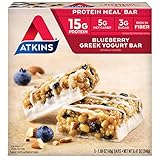
- AT HOME OR ON-THE-GO. Atkins Blueberry Greek Yogurt Protein Meal Bars. Enjoy delicious meal bars with 15g of protein, 3g of sugar, and 5g of net carbs per serving* that fit right into your busy schedule. This is Today’s Atkins.
- YOUR APPROACH. Help give your body the nutrients it needs without sacrificing your favorite flavors.
- AMAZING RECIPES. Delight in the nutrients and satisfying flavors of great foods made with quality ingredients.
- Offered in 5ct cartons containing individually wrapped 1.69oz bars.
- TASTE WHAT’S GOOD. Stay true to your low carb lifestyle with these delicious meal bars.
Last update on 2026-02-03 / Affiliate links / Images from Amazon Product Advertising API
Nutritional Deficiencies: Risk of Missing Vitamins, Minerals, and Fiber
Cutting whole food groups like grains, fruits, and some vegetables means you could fall short on essential nutrients, especially if the diet isn’t carefully balanced.
Low-carb diets like Atkins can leave you at risk for deficiencies in:
- Vitamins such as B1, B6, C, D, and E
- Minerals like magnesium, potassium, and iron
- Fiber, which plays a key role in healthy digestion
Missing these nutrients can lead to fatigue, muscle cramps, constipation, lowered immunity, and even brain fog.
To reduce your risk:
- Eat a variety of approved vegetables daily
- Add seeds and nuts when phases allow
- Consider a multivitamin after checking with your doctor
Consulting with a registered dietitian can help you create a balanced, low-carb plan that meets your needs.
For a deeper dive into what nutrients may be missing, see this overview of micronutrient impact on low-carb diets.
Heart and Kidney Health
Long-term Atkins diets often result in higher intakes of red meat, saturated fat, and protein.
While this approach can support quick weight loss, it’s linked to higher cholesterol in some people and may put added stress on your kidneys.
Potential risks for heart and kidney health include:
- Elevated LDL (“bad”) cholesterol and triglycerides in some users
- A greater chance of kidney stones from higher uric acid levels
- Higher workload for kidneys, especially in those with previous kidney issues
According to medical experts, those with a family or personal history of kidney or heart problems need to approach Atkins with extra caution.
Regular blood work can help monitor cholesterol and kidney function, especially if you plan to follow the Atkins diet for an extended period.
You may also want to see our article about other low-carb diet health risks for more guidance.
 Photo by i-SENS, USA
Bone Health and Muscle Loss
Your bones and muscles need steady support from a well-balanced diet.
Too much protein and too few alkaline foods (like fruits and some vegetables) can shift your body’s acid-base balance, which, over time, may affect bone minerals.
Some studies suggest that high-protein, low-carb plans might:
- A decrease in bone mineral density raises the risk for osteoporosis later in life
- Increase the chance of losing muscle mass alongside weight, especially as you age
Calcium and vitamin D are just as important as protein for strong bones.
If you’re following Atkins long-term, include approved sources of these nutrients.
Stay active, focus on resistance exercises, and be mindful of your body’s signals.
For more information, check out this summary about Atkin’s diet controversies and health impact.
Carefully monitoring your progress and health markers while on the Atkins diet can help you minimize side effects and keep your wellness journey on track.

- HIGH PROTEIN SHAKE BENEFITS – 15g protein supports muscles, energy, and curbs hunger
- SUPPORTS YOUR LIFESTYLE – With 2g net carbs, great for keto diets or low-carb lifestyles.
- KETO-FRIENDLY* SHAKE – 1g sugar per serving, low glycemic *, and no artificial growth hormones*.
- BREAKFAST PROTEIN SHAKES – Convenient choice for busy mornings or after your morning workout
- GLP1 Friendly Protein and Fiber – Provides protein and fiber to help support your GLP-1 journey
Last update on 2026-02-03 / Affiliate links / Images from Amazon Product Advertising API
Who Should Avoid or Be Cautious With the Atkins Diet?
While many people lose weight and feel better on the Atkins diet, this low-carb plan may not be right for everyone.
Some groups may face greater risks or find that the side effects outweigh the benefits.
Before making a significant change to your eating habits, it’s wise to determine if you fall into one of these categories or if you should consult your doctor first.
Pregnant or Breastfeeding Women
Pregnant or breastfeeding women require additional nutrients and sustained energy for both themselves and their baby.
The early phases of the Atkins diet restrict carbs to very low levels, which can limit essential nutrients and natural weight gain that is necessary during pregnancy.
Risks can include:
- Missing out on key vitamins and minerals
- Low energy for both mom and baby
- Potential impact on milk supply while nursing
The Mayo Clinic points out that the Atkins weight-loss phases are not a good fit for women who are pregnant or nursing.
Medical advice is necessary before making any dietary changes during this time.
For alternative options, consider learning about the risks and benefits of intermittent fasting if you’re curious about other weight loss plans that might be more suitable.
People With Kidney Issues
The Atkins diet is high in protein, which can put additional stress on your kidneys.
For people with reduced kidney function or those with a family history of kidney disease, this extra workload can be risky.
The Mayo Clinic states clearly that people with severe kidney disease shouldn’t follow the Atkins diet.
Even those with mild kidney concerns should consult their healthcare provider before making any changes to their diet.
Watch out for symptoms such as:
- Swelling in the legs or ankles
- Changes in how often you need to urinate
- Fatigue or weakness not explained by other factors
Individuals with Diabetes or Blood Sugar Disorders
If you take medication for diabetes or blood sugar problems, a significant drop in carbs can cause your blood sugar to fall too low.
People with diabetes can lose weight and improve their blood sugar on Atkins, but medication adjustments are often required.
Close tracking and regular check-ins with your doctor are key.
Important safety steps:
- Monitor blood glucose closely during the early stages
- Adjust medications as needed with a doctor’s help
- Recognize and treat symptoms of low blood sugar quickly
More details on how diabetes fits into the low-carb lifestyle are outlined in resources like the Atkins Diet: Everything You Need to Know.
Those With Heart Disease or High Cholesterol
The Atkins diet is rich in animal fats and proteins, which can raise cholesterol levels in some individuals.
If you have heart disease, high LDL (“bad”) cholesterol, or a strong family history of heart troubles, this is particularly important.
Monitoring cholesterol and overall heart health with your doctor is essential.
Considerations for heart health:
- Choose healthy fats (olive oil, nuts, avocado) over saturated fats when possible
- Schedule regular cholesterol checks
- Watch for family heart health warning signs
According to the Atkins diet controversy, leading health organizations, such as the American Heart Association, urge caution when consuming high amounts of saturated fat.

- BLISS MEETS BALANCE. A keto friendly spin on traditional nut clusters that’s both deliciously crunchy & creamy.
- SNACK ON TRACK. Enjoy as an on-the-go indulgence or a delicious dessert for at-home.
- MINDFUL INDULGENCE. Big, satisfying taste with only 1g of net carbs* and less than 1g of sugar* per serving.
- KETO WITHOUT COMPROMISE. Atkins Keto Cookies & Crème Clusters are sweet treats without a ton of added sugars or net carbs.
- Offered in 8ct cartons containing individually wrapped .92oz pieces.
Last update on 2026-02-03 / Affiliate links / Images from Amazon Product Advertising API
Children and Teens
Young people are still developing and require a well-rounded mix of nutrients. Restricting carbs can impact energy, focus, and healthy development.
Unless directed by a pediatrician or specialist, the Atkins diet is not recommended for children or teens trying to lose weight.
People With a History of Eating Disorders
If you’ve struggled with restrictive eating or disordered habits in the past, the rules and food limits of the Atkins diet can be triggering.
It’s best to work with professionals who understand both nutrition and mental health before making any changes.
If you’re in one of these groups or have other health concerns, talk with your doctor before starting the Atkins diet.
Side effects can be more severe for some, so it’s essential to consider your unique situation and goals. Looking for something different?
Read about who should not try intermittent fasting for more ideas on safe weight loss methods.
Our Conclusion
The Atkins diet, like any weight loss plan, has both positive and negative side effects that are worth considering.
Many people enjoy fast weight loss and improved blood sugar control, but early side effects, such as fatigue and constipation, are common.
In the long term, you may face challenges with nutrient balance, heart health, and kidney strain if you aren’t careful.
Choosing the Atkins diet is most effective when you stay informed, consult with your healthcare provider, and adjust the plan to meet your specific health needs.
For even more insights on safe weight loss choices and how to manage common issues, explore our tips for handling Atkins diet constipation and learn about the broader risks of restrictive or low-carb diets.
Your health should always be your top priority, so take the time to weigh your options and reach out for help when you need it.
Thank you for reading—please share your experience or questions below and join the conversation.