10 Surprising Benefits of Juice Fasting for Weight Loss
Juice fasting has become popular as an effective way to lose weight and detoxify the body.
This diet involves drinking only fruit and vegetable juices for a certain period, usually from a few days to several weeks.
Many people believe that a juice cleanse can help eliminate toxins from the body while also causing quick weight loss.
Surprisingly, juice fasting offers various benefits beyond shedding pounds.
In this post, we will explore notable advantages of juice fasting for weight loss, including:
- Enhanced nutrient intake
- Improved skin appearance
- Mood enhancement

Last update on 2026-10-08 / Affiliate links / Images from Amazon Product Advertising API
Whether you’re considering a 3-day juice cleanse for weight loss or looking for the best juice cleanse for weight loss at home, understanding these benefits can guide you in making informed decisions about your health journey.
1. Understanding Juice Fasting
Juice fasting, often referred to as a juice cleanse diet, involves the consumption of only fresh fruit and vegetable juices for a specified duration.
This dietary approach is designed to promote weight loss and detoxification by temporarily eliminating solid foods from the diet.
The juices are rich in vitamins, minerals, and antioxidants, which can support overall health while the body undergoes this cleansing process.
Types of Juice Diets
Juice fasting can vary significantly in structure:
- Strict Liquid Diets: These involve consuming only juices, with no solid foods permitted. Adherents may follow this regimen for several days to weeks.
- Integrated Solid Foods: Some juice diets allow small amounts of solid foods, usually fruits or vegetables, alongside juices. This approach may help ease the transition into and out of a juice fast.
Mechanism Behind Weight Loss
The primary mechanism driving weight loss during juice fasting is the caloric deficit created by reduced calorie intake.
By replacing meals with juices, individuals typically consume fewer calories than their bodies require for daily activities. This deficit forces the body to utilize stored fat for energy.
While juice fasting may lead to initial weight loss, it is essential to understand that this method primarily focuses on short-term results.
The absence of solid foods can lead to decreased caloric intake; however, it also raises concerns about nutritional deficiencies over time.
As individuals embark on a juice fast, they may explore various detox recipes that combine different fruits and vegetables to enhance flavor and nutrition.
Utilizing ingredients like leafy greens or root vegetables can help balance the sugar levels found in many fruit juices.
The effectiveness of juice fasting hinges on its ability to create a caloric deficit while offering a burst of essential nutrients.
Understanding these components allows individuals to make informed choices when considering this dietary approach.
2. Health Benefits of Juice Fasting
Enhanced Nutrient Intake
Juice fasting offers a unique opportunity to significantly increase one’s intake of vitamins and antioxidants.
Fresh juices, particularly those made from organic fruits and vegetables, are packed with essential nutrients that can enhance overall health.
The benefits of juicing for weight loss extend beyond mere calorie restriction; they include the following:
- Vitamins Galore: Juices made from leafy greens like spinach and kale or vibrant fruits such as oranges and berries provide a concentrated source of vitamins A, C, and K. These vitamins play crucial roles in maintaining eye health, supporting the immune system, and promoting skin vitality.
- Antioxidant Power: Many fruits and vegetables are rich in antioxidants, compounds that help combat oxidative stress in the body. Ingredients like beets, carrots, and blueberries contribute to this antioxidant boost, potentially reducing inflammation and lowering the risk of chronic diseases.
- Improved Gut Health: Certain juices can support gut health by promoting digestion. For example, juices containing ginger or cucumber may soothe the digestive tract. This aspect is particularly valuable during a juice fast since it encourages a reset of dietary habits.
Choosing the right ingredients is vital for maximizing nutrient intake.
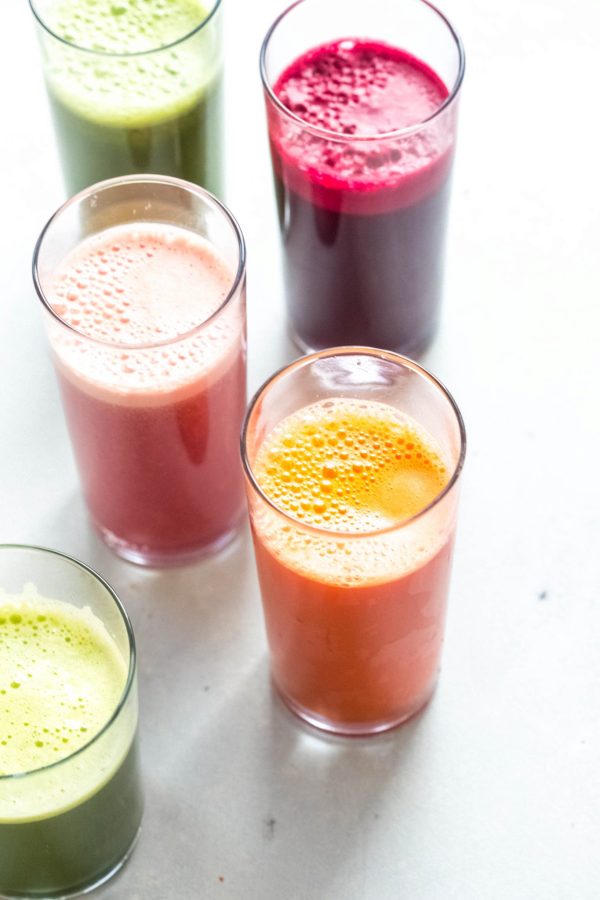
Here are some healthy juice recipes to consider when preparing for juice fasting:
- Green Detox Juice:
- Ingredients: Kale, cucumber, green apple, lemon
- Benefits: High in fiber and antioxidants; helps cleanse the body.
- Berry Blast Juice:
- Ingredients: Strawberries, blueberries, spinach
- Benefits: Packed with vitamins C and K; supports skin health.
- Carrot Ginger Zing:
- Ingredients: Carrots, ginger root, orange
- Benefits: Rich in beta-carotene; boosts immune function.
These recipes not only tantalize the taste buds but also ensure a diverse nutrient profile throughout the fasting period.
Juice fasting encourages individuals to be mindful of their food choices while promoting hydration through liquid intake.
This can lead to a healthier relationship with food as one becomes more aware of nutritional needs.
With proper preparation and thoughtful ingredient selection, juice fasting can be an effective method to harness the vast array of health benefits associated with increased vitamin and antioxidant consumption.

- Certified Organic by CCOF, Gluten Free, No Sugar Added, Plant Based, Non GMO, Kosher

Last update on 2026-10-08 / Affiliate links / Images from Amazon Product Advertising API
Improved Skin Appearance and Mood
Juice fasting can contribute to a more vibrant complexion and enhanced emotional well-being.
The abundance of vitamins and antioxidants found in fresh juices plays a crucial role in skin health.
Key nutrients such as Vitamin C, found in citrus fruits, promote collagen production, leading to improved skin elasticity and reduced signs of aging.
Furthermore, the hydration provided by juices helps maintain skin moisture, giving it a radiant glow.
In addition to aesthetic benefits, juice fasting may positively influence mood.
Eliminating processed foods often results in decreased sugar crashes and energy spikes, contributing to more stable energy levels throughout the day.
This dietary shift can lead to improved gut health, which is closely linked to emotional well-being.
A healthy gut microbiome supports neurotransmitter production, including serotonin, often referred to as the “feel-good” hormone.
- Key Benefits of Juice Fasting: Enhanced skin appearance through increased vitamin intake.
- Mood improvements linked to reduced processed food consumption.
- Improved gut health that supports emotional balance.
Incorporating healthy juice recipes can further enhance these benefits, providing a delicious way to nourish both skin and spirit while supporting weight loss goals.
Preparing for a Juice Fast
Preparing for a juice fast requires careful planning and gradual adjustments to ensure a smooth transition.
Here are key steps to consider:
1. Gradual Food Reduction
- Start by reducing processed foods, sugars, and heavy meals one week prior to your fast. This helps your body adapt to the upcoming changes.
- Focus on incorporating more fruits and vegetables into your diet, allowing your body to adjust gradually.
2. Choosing the Right Ingredients
- Select fresh, organic produce whenever possible. This enhances nutrient intake and reduces exposure to pesticides.
- Aim for a variety of colorful fruits and vegetables. Each color represents different vitamins and minerals beneficial for health.
3. Popular Juicing Ingredients
- Leafy greens (spinach, kale) offer essential vitamins without excessive sugars.
- Root vegetables (beets, carrots) add natural sweetness while providing fiber and antioxidants.
- Fruits (apples, oranges, berries) contribute flavor and additional nutrients but should be balanced with veggies to manage sugar intake.
4. Recipe Planning
- Create a list of juice recipes to ensure diversity in flavors and nutrients throughout the fast.
- Consider blending juices with spices like ginger or turmeric for added health benefits.
Adopting these strategies not only prepares the body for the fast but also supports long-term success in maintaining healthy juicing habits.
Juicing Techniques and Best Practices
Choosing the right juicer is crucial for maximizing nutrient retention during your juice-fasting journey. Here’s a breakdown of popular juicer types:
1. High-Speed Juicers
These juicers operate at high RPMs, which can generate heat.
While they are efficient and quick, higher temperatures may lead to nutrient degradation.
- They typically extract juice from fruits and vegetables but may not preserve vitamins and enzymes as effectively as other types.
2. Low-Speed Juicers (Masticating Juicers)
These juicers work at slower speeds, minimizing heat exposure while breaking down produce more thoroughly.
This process helps retain essential nutrients and enzymes.
- Ideal for leafy greens and fibrous vegetables, they also yield more juice from the same amount of produce compared to high-speed options.
How to Prepare Recipes For Juice Fasting to Lose Weight
Creating balanced juice recipes enhances the effectiveness of juice fasting for weight loss.
Consider these tips:
- Focus on Vegetables: Use a base of leafy greens such as spinach or kale. These provide essential nutrients without excessive sugar.
- Incorporate Low-Sugar Fruits: Add fruits like lemons, limes, or berries for flavor without spiking blood sugar levels significantly.
- Experiment with Flavorful Additions: Incorporate ingredients like ginger or turmeric for extra health benefits while enhancing taste.
Sample Juice Recipe
- Green Detox JuiceIngredients:
- 2 cups spinach
- 1 cucumber
- 1 green apple
- Juice of half a lemon
- Method: Run all ingredients through a low-speed juicer for optimal nutrient retention.
By understanding different juicer types and following these recipe tips, you can create delicious juices that support your weight loss goals during a juice fast.
Additionally, it’s important to remember that while juice fasting can aid in weight loss, it should be approached with caution and ideally under professional guidance.
For more insights into safe weight loss practices, consider exploring this article on effective weight loss strategies.

- 12 Superfood Fruits & Veggies: KOS Reds Superfood Powder blends powerful organic red superfoods into one easy scoop.
- Benefits: Made with proprietary digestive enzymes to aid digestion and berries known for their antioxidant properties, this product has polyphenols and other antioxidants that can be associated with supporting you overall.
- What’s Inside: Mix & sip your daily fruit & vegetable essentials: Organic Beet Root, Apple, Pomegranate, Acai, Coconut Water, Cranberry, Acerola, Raspberry, Goji Berry, Blackberry, Ginger, Aloe.
- Energizing Berry Flavor: With no caffeine and only 2 grams of sugar per serving, fill your goblet with the organic stuff you’ll love. Just add to water or juice for a delicious and tangy drink. Perfect for mocktails as well!
- Organic certified and third party tested: USDA Organic Certified by CCOF, made in a GMP certified facility. No Added sugar, artifical sweeteners, artifical flavors or preservatives, Non-GMO, Vegan, made without gluten, dairy or soy, keto friendly
Last update on 2026-10-08 / Affiliate links / Images from Amazon Product Advertising API
Risks Associated with Juice Fasting
Juice fasting can present potential health risks, particularly when making extreme dietary changes.
Understanding these risks is crucial for anyone considering a juice detox cleanse or juice cleanse.
Here are some common concerns:
- Fatigue: A significant reduction in caloric intake during a juice fast can lead to feelings of fatigue. The body may not receive enough energy to function optimally, resulting in tiredness and lethargy.
- Dizziness: Many individuals experience dizziness as a side effect of low-calorie consumption. This may be exacerbated by dehydration if adequate fluid intake is not maintained alongside juices.
- Nutritional Deficiencies: Juice cleanses often lack essential nutrients such as protein, fiber, iron, and healthy fats. Prolonged periods of inadequate nutrition can lead to deficiencies that affect overall health and well-being.
- Blood Sugar Fluctuations: Juices, especially fruit-based ones, are high in sugars which can cause spikes and drops in blood sugar levels. This fluctuation may lead to increased hunger and cravings once the fast ends.
- Impact on Existing Health Conditions: For individuals with specific health issues like diabetes or kidney problems, extreme dietary changes could worsen their condition. It is essential to consult healthcare professionals before embarking on a juice fast.
While some may consider engaging in a green juice cleanse or similar detox methods for weight loss, such approaches should be approached cautiously.
Awareness of these risks allows individuals to make informed decisions regarding their health journey while potentially seeking guidance from qualified professionals.
Sustainability and Long-Term Weight Management Strategies After a Juice Fast
Juice fasting can yield quick results, yet the sustainability of these weight loss outcomes poses a challenge.
Many individuals experience initial success, only to regain weight once they return to normal eating habits.
Several factors contribute to this phenomenon:
- Caloric Restriction: Juice cleanses often create a significant caloric deficit. Resuming regular meals may lead to consuming more calories than before, resulting in weight regain.
- Nutritional Deficiencies: Extended juice fasts can lead to nutrient deficiencies, causing cravings for high-calorie foods once normal eating resumes.
- Metabolic Adaptation: The body may adapt to lower energy intake during the fast, slowing metabolism when normal caloric levels are reintroduced.
To enhance long-term results after a juice cleanse to lose weight fast, consider the following strategies:
- Gradual Reintroduction of Foods: Slowly integrate solid foods post-fast to avoid shocking the system. Start with whole, nutrient-dense options.
- Balanced Diet: Focus on a diet rich in fruits, vegetables, lean proteins, and healthy fats. This approach helps maintain weight while providing essential nutrients.
- Hydration: Continue drinking plenty of water and include hydrating foods like cucumbers and watermelon in meals.
- Regular Physical Activity: Incorporate consistent exercise routines that blend cardio and strength training to support metabolic health and weight management.
- Mindful Eating Practices: Pay attention to hunger cues and portion sizes. Avoid emotional eating by finding alternative stress-relief methods.
By employing these practices, individuals can foster a healthier relationship with food and improve the sustainability of juice fasting results.

Last update on 2026-10-08 / Affiliate links / Images from Amazon Product Advertising API
Juice Fasting Conclusion
Juice fasting can offer surprising benefits for weight loss, but it is essential to approach this method with caution.
Keeping the following points in mind can help ensure a positive experience:
- Mindful Practice: Recognizing the potential benefits of juice fasting while being aware of its risks is crucial. This dietary approach may enhance nutrient intake and offer a temporary weight loss solution.
- Professional Guidance: Consulting with a healthcare provider or nutritionist before starting a juice fast can provide personalized advice. They can help tailor an approach that aligns with your health goals.
- Recipe Preparation: Learning How to Prepare Recipes For Juice Fasting to Lose Weight ensures you maximize nutrient diversity while minimizing sugar overload from fruits.
Adopting these strategies can lead to a healthier, more sustainable approach to weight management while enjoying the perks of juice fasting.
Juice Fasting FAQs
What is juice fasting and how does it work for weight loss?
Juice fasting is a dietary approach that involves consuming only fresh juices extracted from fruits and vegetables for a specific period. It works by creating a caloric deficit, which helps the body burn stored fat for energy, leading to weight loss. Additionally, juice fasting can aid in detoxification and provide essential vitamins and antioxidants.
What are the health benefits of juice fasting?
Juice fasting can enhance nutrient intake, particularly vitamins, and antioxidants, which are beneficial for overall health. It may also improve gut health, skin appearance, and mood by reducing processed foods in one’s diet. These benefits contribute to both physical and psychological well-being.
How should I prepare for a juice fast?
To prepare for a successful juice fast, gradually reduce your food intake leading up to the fast. Choose fresh, organic ingredients for your juices and ensure you have a variety of fruits and vegetables to maximize nutrient diversity. It’s also important to stay hydrated and consult healthcare professionals if needed.
What juicing techniques should I consider?
Different juicer types can affect nutrient preservation. High-speed juicers may generate heat that can destroy some nutrients, while low-speed juicers tend to preserve more vitamins and enzymes. When creating juice recipes, aim for a balance of fruits and vegetables to support your weight loss goals effectively.
Are there any risks associated with juice fasting?
Yes, there are potential risks related to extreme dietary changes during a juice fast, such as fatigue, dizziness, or nutrient deficiencies. It’s crucial to listen to your body and consult with healthcare professionals before starting a juice detox cleanse to ensure it’s safe for you.
How can I maintain weight loss results after a juice fast?
To sustain weight loss achieved through juice fasting, it’s important to adopt healthy eating habits post-fast. Gradually reintroduce solid foods while focusing on whole grains, lean proteins, and plenty of fruits and vegetables. Regular physical activity and mindful eating practices will also help prevent regaining weight.