
Emotional Eating – What Is The Connection Between Food And Moods?
Emotional eating (EE) is an umbrella term for using food to express negative emotions. It has fascinated researchers across a range of fields for over four decades.
Emotional eating (EE) can trigger negative mood states like stress, boredom, or emptiness. Learning healthy ways to respond to these feelings will help break the cycle of emotional eating.
Emotional eating is a behavior where individuals eat not because of physical hunger but in response to their feelings or emotions. The relationship between food and mood is multifaceted and influenced by various factors.
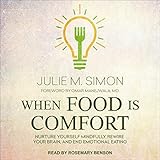
Last update on 2026-10-09 / Affiliate links / Images from Amazon Product Advertising API
Key Elements Influencing the Connection Between Food and Mood:
- Brain Chemistry: Certain foods affect the brain’s production of neurotransmitters, such as serotonin, dopamine, and norepinephrine. These chemicals are responsible for our overall mood. For example, consuming carbohydrates can increase serotonin levels, promoting happiness.
- Blood Sugar Levels: Consuming food, especially those high in sugar, results in a rapid spike in blood sugar levels which can initially boost your mood. However, this is followed by a quick drop which might lead to feelings of fatigue and irritability.
- Comfort Food & Associations: Individuals often associate certain foods with particular emotions or memories. This is why ‘comfort foods make us feel better when experiencing negative emotions.
- Stress Response: During stress or anxiety, the body goes into ‘fight or flight’ mode. This state increases appetite as part of its survival mechanism leading to emotional eating.
The Consequences:
While emotional eating can provide short-term relief from negative emotions, it’s not an effective long-term solution. It may result in overeating or unhealthy diet choices, leading to weight gain and other health problems.
Managing Emotional Eating:
The first step towards managing emotional eating involves recognizing triggers and finding healthier ways to cope with stress or negative emotions:
- Start keeping a food diary to identify patterns between your moods and eating habits.
- Develop coping mechanisms like engaging in physical activity, practicing mindfulness exercises, or seeking social support.
- Maintain regular meal times to avoid intense hunger that can lead to overeating.
- Make healthy dietary choices aiming for a balanced intake across all food groups.
Remember that it’s completely normal to turn to food for comfort occasionally. Still, if you find yourself doing so regularly, it might be worth seeking help from a professional such as a dietician or psychologist.
Stress and Emotional Eating
Stress is an inevitable part of daily life, but if it persists or causes problems, it can adversely affect our health.
Stress affects nearly every system in the body and may even lead to physical ailments like high blood pressure or heart disease.
It’s essential to comprehend how your body responds to stress so you can identify symptoms and seek assistance.
When under duress, hormones like adrenaline and cortisol are released to prepare you for whatever comes your way.
Once you’ve dealt with the pressure or threat, those hormones are released, and your body returns to its normal state.
Unfortunately, chronic stress can keep these hormones in your system for too long, which is detrimental to health, leading to conditions like high blood pressure, anxiety, and depression.
Sleeping enough, eating nutritiously, and exercising regularly can all help alleviate stress and its symptoms.
However, if you’re experiencing stress regularly or find that your symptoms are getting worse, it may be time for you to consult with a medical professional.
A doctor will conduct a detailed medical history to identify the source of your stress. They’ll also review your current methods of managing stress and how they might be able to alter those behaviors.
Your doctor may suggest therapy or medication to help manage stress. Your treatment plan will be tailored specifically to meet your individual needs and may include learning new coping skills, altering behavior, and decreasing symptoms.
You could also try meditation, talking to a mental health professional or practicing yoga. These treatments can reduce your stress levels and boost your mood.
Another way to prevent emotional eating is to select foods that suit your mood and consume them in moderation. For instance, if you’re feeling stressed, choose healthy options that make you feel good but are not overly sweet or salty.
You can identify triggers that lead to emotional eating, such as boredom or anger. Taking breaks for something else or calling a friend can help break the stress and emotional eating cycle.

Last update on 2026-10-09 / Affiliate links / Images from Amazon Product Advertising API
The Cycle Of Boredom
Boredom is an unpleasant emotional state that many people encounter. It can affect one’s mood, physical health, and behavioral functioning.
Therefore, clearly understanding boredom is key to successfully managing it.
Emotional eating is a common behavior many people engage in, often without realizing it. It involves consuming food as a way to deal with feelings rather than to satisfy hunger. The cycle of boredom is one emotional state that can lead to this type of eating.
The Cycle of Boredom and Emotional Eating
- Boredom – This is the initial phase where you might feel uninspired, unmotivated or simply uninterested in your usual activities.
- Seeking Stimulation – To overcome this feeling of ennui, you might turn to food for comfort or distraction.
- Emotional Eating – By consuming ‘comfort’ foods, typically high in fat, sugar or salt, you attempt to alleviate your boredom.
- Temporary Relief – Eating these types of food can create a temporary ‘high’ due to the dopamine rush in your brain.
- Guilt and Regret – After the initial rush wears off, feelings of guilt for overeating or eating unhealthy food often set in.
- Stress and Anxiety from Guilt – These negative feelings can further exacerbate emotional stress, sometimes leading back into boredom and restarting the cycle.
Breaking this cycle requires recognizing the pattern, understanding triggers, and developing healthier coping mechanisms for dealing with boredom.
For instance:
- Engaging in physical activity: A walk outside or a short workout can break up monotony and release endorphins which improve mood.
- Pursuing hobbies: Diving into projects or activities that genuinely interest you can effectively alleviate feelings of boredom.
- Mindful eating: Paying attention to what and when you eat helps develop healthier relationships with food – eat when hungry, not when bored or stressed!
- Seeking professional help: If emotional eating becomes chronic, seeking advice from health professionals such as therapists specializing in disordered eating patterns might be helpful.
Remember, it’s okay to seek help if needed; everyone needs support sometimes!
The Feeling of Emptiness
Emptiness, or a feeling of generalized boredom and social alienation, can overwhelmingly affect your life. Psychologists say this feeling can leave you feeling isolated, despondent, numb, and unfulfilled.
Depression or despair may follow, leading to feelings of hopelessness or even suicidal ideation. This could indicate one or more mental health conditions or disorders, such as bipolar or borderline personality disorder.
According to research, it is common for those diagnosed with mental health conditions or disorders to feel empty inside.
This can lead them to seek out activities that ultimately provide no joy or purpose in their lives and lead them down an empty path – such as eating, shopping or using substances (legal or illicit).
Emptiness is a universal emotion across cultures and religions.
Throughout history, emptiness has been depicted in literature, film, and other art forms. For instance, existentialist writers explored this theme extensively in their works.
Though it may not always be easy to accept, those experiencing feelings of emptiness should reach out to a mental health professional about their situation – particularly if the feelings lead to feelings of unfulfillment or despair.
Doing so will enable you to find solutions that will help combat those sensations of emptiness and provide you with a more meaningful life.
Some mental health professionals suggest engaging in spiritual practices such as meditation, yoga, or prayer.
These activities can help you develop mindfulness and take a more reflective view of the world around you, which may reduce feelings of emptiness and give life a more optimistic spin.
Although these strategies can help manage feelings of emptiness, they are not always successful.
If you are struggling with persistent emptiness, you must speak with a mental health professional and get treated. Seeking help can make all the difference in your life.

- CONCENTRATED JUICED GREENS: Juiced for potency to deliver one serving with 6x more concentrated nutrients and enhanced nutrient absorption than whole-leaf grass powders*
- NUTRIENT‑DENSE SUPERFOOD: Garden of Life RAW Organic Perfect Food includes over 40 greens, sprouts, fruits and vegetables made from concentrated grass juices, green veggie juices and raw organic sprouts
- ENERGY, ALKALINITY & DETOX: This raw green juice powder supports energy, alkalinity and healthy detoxification while delivering chlorophyll, vitamins and minerals*
- CLEAN & CERTIFIED: Certified USDA Organic, NSF Certified Gluten Free, Vegan Certified, Non‑GMO, and Stevia Free
- EASY DAILY SUPPORT: Adults mix 1 scoop daily into water, juice or smoothies for a convenient, nutrient-dense greens supplement

Last update on 2026-10-09 / Affiliate links / Images from Amazon Product Advertising API
Emotional Eating and Feelings Of Anxiety
Anxiety is a normal stress reaction, but too much of it can have detrimental effects. It makes it difficult to focus and may even suppress your appetite.
If your anxiety spirals out of control, it could indicate an anxiety disorder.
Emotional eating and feelings of anxiety are quite interconnected. Emotional eating involves dealing with emotions, including anxiety, by consuming food – often comfort food laden with fat, sugar, or both.
Here are some key points linking emotional eating and anxiety:
- Anxiety Induces Cravings: Anxiety can increase cravings for ‘comfort foods’. These foods usually have high sugar or fat content, which can seemingly help soothe anxious feelings temporarily.
- Coping Mechanism: Sometimes, people use food as a coping mechanism to deal with their anxiety. Eating can distract from uncomfortable emotions and provide a temporary sense of relief.
- Vicious Cycle: This relationship between anxiety and emotional eating often produces a vicious cycle. Anxiety leads to overeating, leading to potential weight gain or health issues, which may cause further stress and increase anxiety levels.
- Guilt After Overeating: Post-binge-eating episodes often come with feelings of guilt and shame. This can exacerbate one’s initial anxiety and negative self-perception.
It’s important to note that managing this cycle requires recognizing these patterns:
- Identification: Recognise the signs of emotional eating and try to differentiate it from physical hunger.
- Healthy Coping Strategies: There are healthier ways to cope with anxiety, such as regular exercise, mindfulness practices like meditation or yoga, and speaking to a friend or trained professional about your feelings.
- Balanced Diet: Maintaining a balanced diet can also help manage mood swings often accompanying anxiety disorders.
- Professional Help: If the problem seems overwhelming and persistent, it might be beneficial to seek help from professionals such as psychologists or nutritionists with expertise in dealing with this issue.
Everyone has unique ways of dealing with their emotions, so what works for one person might not work for another. It’s important to find strategies that work best for you when managing your feelings of anxiety and emotional eating habits.
How To Control Emotional Eating
Controlling emotional eating can be challenging, but it’s definitely achievable.
Here are some proven strategies:
- Mindfulness: Start practicing mindfulness, which is about being fully aware of the moment and eating with intention and attention. Mindful eating involves focusing on your food – how it tastes, smells, and feels – rather than ‘zoning out’ or distracting yourself while you eat.
- Healthy Snacks: If you feel an urge to eat between meals, ensure you have healthy snacks. Choose options high in fiber and protein, as they will keep you full for longer.
- Regular Exercise: Regular physical activity can help control your appetite and reduce stress.
- Hydration: Sometimes, we confuse thirst with hunger. Make sure to drink enough fluids throughout the day.
- Support Network: Surround yourself with supportive people who understand what you’re going through and can offer encouragement and advice when needed.
- Sufficient Sleep: Lack of sleep can stimulate cravings for sugar and other comfort foods.
- Professional Help: If emotional eating becomes a significant issue affecting your health, consider seeking professional help, such as a psychologist or counselor specializing in binge-eating disorders.
Remember, it’s perfectly natural to turn to food for comfort occasionally, but if it becomes a regular occurrence that makes you feel out of control or guilty, it’s important to tackle the problem directly by identifying your triggers and finding healthier coping mechanisms.