What Are the Best Practices for Fasting and Praying?
Fasting and praying are practices found in many religious traditions. They purify the body, focus the mind, and deepen one’s spiritual connection.
When done thoughtfully and safely, these practices can offer numerous benefits.
Here’s an overview, along with detailed tips for engaging in fasting and praying in a meaningful way.

Last update on 2026-10-09 / Affiliate links / Images from Amazon Product Advertising API
Fasting typically involves abstaining from food and sometimes drinking for a set period. The specifics can vary widely among different religions and personal preferences.
The primary goal is often to purify the body and create a state of physical humility that enhances spiritual clarity and devotion.
Praying during fasting adds a spiritual dimension to the physical act of fasting. It can involve meditation, reciting prayers from religious texts, or conversing with a higher power more personally.
The combination is believed to heighten spiritual awareness and discipline.
Best Practices for Fasting
- Set Clear Intentions
- Understand why you are fasting. Is it for spiritual purification, seeking guidance, or strengthening your discipline? Clear intentions will help you stay focused.
- Choose Your Type of Fast
- Decide whether you’ll do a complete fast (no food or drink), a partial fast (abstaining from certain types of food or eating at certain times), or a more specific fast based on your dietary restrictions or religious guidelines.
- Prepare Your Body
- Gradually reduce your intake of food and drink before starting your fast. This can make the transition easier and reduce potential side effects like headaches or fatigue.
- Stay Hydrated
- If your fast allows for liquids, drink enough water throughout the day to stay hydrated.
- Listen to Your Body
- While mild discomfort is common, severe pain or health issues should not be ignored. Adjust your fasting practice as needed to maintain your health.
- Break Your Fast Gently
- When ending your fast, start with light foods like fruits, vegetables, or broth before moving to heavier meals to avoid shocking your system.
Best Practices for Praying
- Find a Quiet Space
- Choose a peaceful location where you won’t be disturbed. This will help you maintain focus and create a sacred environment for your spiritual practice.
- Set a Schedule
- Consistency is key. Set specific times for prayer to build it into your daily routine, aligning with particular times of day that hold spiritual significance if applicable.
- Use Prayer Aids if Needed
- This can be religious texts, prayer beads, or anything that helps deepen your focus or understanding of the prayers.
- Incorporate Meditation
- Begin with a few minutes of meditation to clear your mind and center your thoughts. This will help you make your prayer more focused and meaningful.
- Be Open and Honest
- Approach your prayers with openness and honesty. This is your time to communicate with your higher power; being genuine is more important than adhering strictly to formalities.
- Reflect Afterwards
- After praying, spend some time in reflection. Consider the thoughts and feelings that arose during prayer and how they might influence your actions from now on.
Combining Fasting and Praying
- Integrate Your Practices: Let your prayer times coincide with moments during your fast when you feel most in need of spiritual support or when you traditionally would break your fast.
- Journal: Keeping a journal during this period can be helpful for reflection and understanding the insights gained through fasting and praying.
- Community Support: If possible, engage with a community that shares your practice. This can provide encouragement, advice, and a deeper connection to the tradition.
Remember, the most important aspect of fasting and praying is its intention. It’s not merely an exercise in self-denial but an opportunity for profound spiritual growth and reflection.
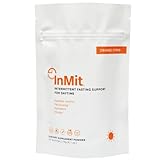
- Intermittent Fasting Support: InMit is the fasting supplement that supports your intermittent fasting lifestyle, boosts your energy, hydrates, and promotes mental clarity, with 9 key ingredients.
- Fasting Benefits: Intermittent fasting has numerous benefits such as increasing stress resistance, improving brain health and much more. With the assistance of InMit, you can obtain all of your intermittent fasting benefits with simplicity and ease.
- Easy to Use: Just add 1 delicious scoop of our fasting supplement to your 8 oz glass of water 1-2 times a day
- Carefully Crafted: InMit’s principal ingredients are active, natural, and essential: soluble fiber Sunfiber, green coffee extract, calcium, magnesium, sodium, potassium, and phosphorus, energy-boosting vitamins B6 and B12. InMit is also vegan, dairy-free, gluten free, non-GMO and no added sugar.
- What Makes InMit Unique: InMit intermittent fasting drink mix is the only drink product designed to assist your intermittent fasting lifestyle and provide you with essential daily nutrition. InMit is Globally sourced and assembled in the USA.
Last update on 2026-10-09 / Affiliate links / Images from Amazon Product Advertising API
Setting Clear Intentions
Setting clear intentions is an important practice in goal setting and manifestation.
Here’s how to set clear intentions:
- Get clear on what you want: Take the time to reflect on what you truly desire. What do you want to achieve? What do you want to manifest in your life? Be specific and clear when defining your intentions.
- Please write it down: Write down your intentions in a journal or on paper. This will help solidify your goals and give you a reference point.
- Visualize your intentions: Take some time each day to visualize your intentions as if they have already come true. This can help to align your energy with your goals and create a sense of belief and possibility.
- Let go of attachment: While it’s important to set clear intentions, it’s also important to detach yourself from the outcome. Trust that the universe will bring you what you need, even if it doesn’t look exactly how you expected.
- Take inspired action: Setting clear intentions is the first step, but you must also take action towards your goals. Be proactive in working towards your intentions and stay open to opportunities that come your way.
The best practices for fasting and praying can vary depending on personal beliefs and traditions. However, some general best practices include:
- Set a specific intention for your fasting and praying. Whether it’s for spiritual growth, healing, or guidance, having a clear intention can help focus your efforts.
- Choose a time frame for your fasting and praying. Some people fast and pray for a day, while others may do it longer. Find a timeframe that works for you and stick to it.
- Create a sacred space for your fasting and praying. Find a peaceful place to connect with your spirituality and focus on your intentions.
- Stay hydrated and nourished during your fast. Taking care of your physical health while fasting is important, so drink plenty of water and consume nutritious foods when breaking your fast.
- Be open to receiving guidance and insights during your fasting and praying. Pay attention to any signs, synchronicities, or intuitive messages that come your way.
Ultimately, the best practices for fasting and praying are those that resonate with you and help you to connect with your spirituality in a meaningful way.

- COMPLETE DAILY MULTIVITAMIN SUPPORT – All-in-one smoothie powder with plant-based rice protein, vitamins, minerals, and superfood ingredients for daily nutrition for women, men, and kids alike.
- RICH IN VITAMINS AND MINERALS – Delivers essential nutrients including vitamins A, C, D, E, B-complex, calcium, magnesium, and zinc to help support daily health and wellness
- SUPERFOOD BLEND FOR WHOLE BODY HEALTH – Features 7g plant-based rice protein with nutrient-dense fruits, greens, and fiber to help support digestion, energy, and overall wellness
- VEGAN AND DAIRY FREE SMOOTHIE MIX OPTION – Our plant-based formula offers a convenient way to enjoy nutritious shakes or smoothies when you are on the go
- DIGESTIVE SUPPORT BLEND – Our multivitamin protein powder features betaine HCl, kelp, and papain to help promote nutrient absorption, gut health, and comfortable digestion
Last update on 2026-10-09 / Affiliate links / Images from Amazon Product Advertising API
Fasting And Praying Tips
- Intention: Set a clear intention for your fast and pray sincerely and humbly.
- Preparation: Physically and mentally prepare for your fast by gradually reducing your food and water intake before starting.
- Schedule: Plan your fasting and pray at specific times each day to help create structure and focus.
- Reflection: Use your fasting period for self-reflection, introspection, and spiritual growth.
- Gratitude: Express gratitude for the blessings in your life during your prayers, and be mindful of the purpose behind your fast.
- Support: Seek support from others fasting and praying, or connect with a community or spiritual leader for guidance.
- Self-care: During your fast, care for your body by staying hydrated, getting enough rest, and listening to your body’s needs.
- Connection: Connect with a higher power or divine source during your prayers and fasting, and remain open to receiving guidance and blessings.
- Patience: Be patient with yourself and the process of fasting and praying, and trust in the spiritual growth and transformation journey.
- Gratitude: End your fast with a heart full of gratitude for the experience and the opportunity for spiritual growth and connection.
Fasting is a spiritual practice common in many religions and has been practiced for centuries.
It involves abstaining from food and sometimes other activities for a specific period, typically as a form of penance, self-discipline, or spiritual growth.
Several factors should be considered when choosing the type of fast to undertake. The first consideration should be your own health and physical well-being.
It would be best to choose a safe and sustainable fast for your health needs.
If you have any underlying health conditions or dietary restrictions, it is important to consult with a healthcare professional before beginning a fast.
Another vital factor to consider is your spiritual goals and intentions for fasting. Different types of fasts may be more appropriate for different spiritual practices or goals.
For example, some people may fast as a form of repentance or purification, while others may fast to deepen their connection to God or seek guidance and clarity.
It is also essential to consider the practical aspects of fasting, such as the duration of the fast and the specific foods or activities that will be restricted.
Choosing a realistic and achievable fast for your lifestyle and schedule is crucial.
There are some best practices to keep in mind regarding fasting and praying.
First and foremost, having a clear intention and purpose for fasting and praying is essential.
This could involve setting specific goals or intentions for your fast, such as seeking guidance, forgiveness, or spiritual growth.
Taking care of your physical and emotional well-being during a fast is also essential.
This may involve staying hydrated, getting enough rest, and listening to your body’s needs.
It is also good to be mindful of your emotional state and practice self-care during a fast, as fasting can sometimes bring up difficult emotions or challenges.
Finally, it is essential to approach fasting and praying with an open heart and mind.
This may involve setting aside time for reflection, meditation, or prayer during your fast and being open to whatever insights or experiences may come up for you.
Ultimately, fasting and praying can be powerful tools for spiritual growth and transformation, and choosing the right type of fast and approach can help support your intentions and goals for this practice.