Water Fasting for a Week: A Step-by-Step Guide
Water fasting for a week is a significant undertaking that requires careful preparation, execution, and post-fast care to ensure it’s done as safely and effectively as possible.
Here are some best practices to consider if you’re planning to embark on a week-long water fast:

Last update on 2026-10-17 / Affiliate links / Images from Amazon Product Advertising API
Before the Fast
- Consult with a Healthcare Provider: Before starting, it’s crucial to talk to a healthcare provider, especially if you have any underlying health issues or are on medication.
- Prepare Your Body: Gradually reduce your food intake a few days before starting the fast. Focus on eating whole, plant-based foods and avoid processed foods, caffeine, and sugar to make the transition easier.
- Set Clear Goals: Understand why you’re fasting and what you hope to achieve. This can help keep you motivated.
- Plan for a Quiet Week: Reduce physical and stressful activities as much as possible during your fast. Your energy levels may be lower than usual.
During the Water fasting
- Stay Hydrated: Drink plenty of water throughout the day. The amount can vary based on your body size and environment, but aim for at least 8-10 glasses.
- Rest and Relax: Listen to your body. If you’re feeling tired, allow yourself to rest. Gentle activities like walking or yoga can be beneficial, but don’t overdo it.
- Monitor Your Health: Pay attention to how you’re feeling. Mild symptoms like headaches or dizziness can be normal, but seek medical attention if you experience severe symptoms (intense dizziness, fainting spells, extreme weakness).
- Stay Mindful: Use this time for self-reflection or meditation. Many find fasting to be a physical challenge and a mental and spiritual journey.
Ending the Fast
- Break Your Fast Gently: Start with easily digestible foods that are gentle on the digestive system. Broths, juices, and soft fruits are good options.
- Gradually Reintroduce Foods: Over several days, slowly reintroduce other foods, starting with cooked vegetables and eventually adding proteins and fats. Listen to your body’s response to each food type.
- Reflect on Your Experience: Consider what you’ve learned during the fast. It can offer insights into your relationship with food and your body’s signals.
- Maintain Healthy Habits: Use the post-fast period to continue healthy eating habits. Incorporating whole foods, staying hydrated, and mindful eating can help sustain the benefits of your fast.
Water fasting – Safety First
Fasting isn’t suitable for everyone. Individuals under 18, those who are pregnant or breastfeeding, people with a history of eating disorders, and those with certain medical conditions should not undertake a water fast without medical supervision. Always prioritize safety and health over any potential benefits of fasting.
Water fasting, which involves only consuming water and abstaining from food for a period, specifically a week, has been a practice for centuries, often for religious or spiritual reasons.
In recent years, it’s gained attention for its potential health benefits and weight loss effects.
However, it’s crucial to approach water fasting cautiously and be aware of its advantages and disadvantages.

- Reduces 200+ common contaminants, including lead, viruses, cysts, chlorine, fluoride, and more.
- Pour unfiltered water in, get drinking water out.
Last update on 2026-10-17 / Affiliate links / Images from Amazon Product Advertising API
Pros of Water Fasting for a Week
Weight Loss
- Explanation: Fasting leads to a significant reduction in calorie intake, which can result in weight loss. The body initially uses stored glucose as energy and then switches to burning fat.
Improved Insulin Sensitivity
- Explanation: Fasting can decrease insulin levels, improving insulin sensitivity. This can be beneficial for managing blood sugar levels and reducing the risk of type 2 diabetes.
Enhanced Autophagy
- Explanation: Autophagy is the body’s way of cleaning out damaged cells and regenerating newer, healthier cells. Fasting increases the rate of autophagy, potentially leading to improved cellular repair and disease prevention.
Mental Clarity
- Explanation: Some people report experiencing heightened mental clarity and concentration during extended fasts. This could be due to the reduction in inflammation or the shift in energy sources from glucose to ketones.
Cons of Water Fasting for a Week
Nutrient Deficiencies
- Explanation: Abstaining from food for a week can lead to essential vitamin and mineral deficiencies. These nutrients are crucial for maintaining bodily functions and preventing diseases.
Muscle Loss
- Explanation: Alongside fat loss, fasting can also lead to muscle breakdown if the body starts using muscle proteins as an energy source, especially if it’s not getting enough calories from fat stores.
Possible Rebound Eating
- Explanation: After a restriction period, people might overeat or indulge in unhealthy foods once normal eating resumes, potentially leading to weight gain.
Health Risks for Certain Groups
- Explanation: For individuals with certain health conditions (like diabetes), pregnant or breastfeeding women, or those with a history of eating disorders, water fasting can pose serious health risks.
Water fasting Physical Side Effects
- Explanation: Fasting can cause side effects such as fatigue, headaches, dizziness, and irritability. These are often a result of electrolyte imbalance or hypoglycemia (low blood sugar).
If you’re considering water fasting for a week, it’s a good idea to refocus yourself afterward. You’ll need to replenish your missing nutrients and rebuild your digestive system.
Light fruit or smoothies are the best way to break the fast and allow the digestive system to adjust.
Adding solid food about two to three hours after your last meal gives your body enough time to adjust to the changes.
Before embarking on water fast, check with your healthcare provider and discuss your current medical conditions. If you have heartburn or GERD, water fasting could worsen your condition.
Likewise, pregnant and breastfeeding women should not attempt this diet.
For children under 18 years old, it is best to consult a medical professional to determine if fasting is safe. So, consult your healthcare provider before embarking on a weeklong water fast.
Another thing to consider when embarking on a water fast is the proper amount of water you drink during the day.
You should aim to drink nine to thirteen cups of water daily, but if this seems impossible, you can use a reminder device such as a water bottle with a light to remind you to drink.
This way, your body will feel more hydrated throughout the day.
You will find urination difficult if you do not drink enough, which may result in constipation and other problems.
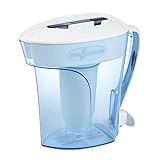
- Check Your TDS: The 10 Cup 5-Stage Ready-Pour Water Filter Pitcher Dispenser has a TDS Meter to check the levels of dissolved solids before dispensing or pouring water – always know when it is time to change your filter!
- Advanced Filtration: Our 5-Stage Ion Exchange Filter removes virtually all dissolved solids (TDS) for the purest tasting water; Total Dissolved Solids are organic and inorganic materials, such as metals, minerals, salts, and ions dissolved in water.
- IAPMO Certified & BPA-Free: Our 5-Stage filter is IAPMO Certified to reduce PFOA/PFOS, lead, chromium, and mercury. All Culligan ZeroWater products are made from BPA-Free plastic.
- Your New Water Filter System: Your purchase includes a 10 Cup water filter pitcher dispenser, 5-Stage Ion Exchange Water Filter, and a TDS meter that read TDS level. Compatible with ZeroWater & Culligan ZeroWater systems and filters.
- Less Plastic, More Hydration: You can save up to 110 single-use plastic bottles per filter or up to 660 bottles a year while enjoying the purest tasting water with your Culligan Zero Water Filter System.

Last update on 2026-10-17 / Affiliate links / Images from Amazon Product Advertising API
Water-only fasting is part of Jainism, a religion that dates back to ancient India. Jainites practice this religion by fasting only for water or food for one to two weeks.
Water fasting has also been used in protest, and in 1981, Irish hunger strikers fasted on water and salt for a week. They wanted to protest British policies against the Irish government.
The British government banned the practice the first time they did this, but it grew in popularity.
Water fasting can also help boost immunity.
Among the benefits, it encourages the body’s natural cleansing process, which decreases abnormal protein aggregation and cleanses out cellular debris. Fasting promotes the growth of healthy immune cells.
However, it’s important to seek the advice of a doctor before beginning a water fast. The results will be worth the effort.
You can expect to lose weight during a water fast, but you should avoid excessive weight loss during the first week of the fast. Rapid weight loss could lead to muscle loss.
It will also slow your body’s metabolism, making it easier to regain weight once you resume eating regular meals.
As with any diet, regular exercise and portion control are important components of long-term weight management.
You should consult a registered dietitian before embarking on water fast.
While research on water fasting is limited, it can benefit those with chronic health conditions.
For people with diabetes, it can impair the ability to regulate blood glucose levels.
Elderly individuals may experience problems related to increased uric acid production, which is known as gout. Other health risks include heartburn and decreased blood pressure.
However, if you are new to water fasting, it’s best to consult your doctor before trying it.
While water fasting can help you lose weight, the effects aren’t sustainable. For example, your body won’t maintain this fast for a week.
You may not be able to maintain it long-term and risk a refeeding syndrome.
Further, the fast is not sustainable and can lead to losing consciousness and vital organs.
The best way to maintain the benefits of water fasting is to stick to a two or three-day program.
There are many benefits of water fasting. In addition to boosting your metabolism, it can help you lose weight and flush out processed foods.
Furthermore, the benefits are immense. In addition to losing weight, water fasting can improve mental clarity and rest your digestive system.
It’s a great way to detoxify and reset your body. However, if you’re planning to embark on a week-long water fast, consult with a healthcare professional before starting the diet.
Water fasting Conclusion
Water fasting for a week has potential benefits, including weight loss and improved metabolic health. Still, it also carries risks, such as nutrient deficiencies and possible health complications for some individuals.
It’s essential to consult with a healthcare provider before starting a fast, especially for extended periods like a week, to ensure it’s done safely and to minimize risks.