Common Misconceptions About Fasting
Fasting, a practice of abstaining from food and drink for a specific period, is widely used for various reasons, including religious observances, health benefits, and weight management.
However, like any other health-related topic, fasting has its share of misconceptions.
Here are some common misunderstandings often associated with this ancient practice that needs to be cleared up to aid in understanding the true essence and potential benefits of fasting.
Let’s delve into these misconceptions one by one.

- WON’T BREAK YOUR FAST – SlimFast Energizing Hydration Supplemental drink mix jazzes up your hydration with electrolytes and energy!
- SUPPORTS HYDRATION WHEN MIXED WITH WATER – Made with electrolytes and 100mg of energizing caffeine from natural sources
- CONVENIENT – 12 stick packs that mix with water for easy enjoyment anytime, anywhere
- A LABEL YOU’LL LOVE – Zero added sugar and 1g total carbs
- SIMPLE AND CONVENIENT – it’s fasting fit for you
Last update on 2026-10-08 / Affiliate links / Images from Amazon Product Advertising API
Misconception 1: Fasting Leads to Nutrient Deficiency
Many people worry that fasting could lead to nutrient deficiencies. However, short-term fasts are unlikely to cause deficiencies in most nutrients if the diet consumed outside the fasting period is well-balanced and diverse.
Long-term or extreme fasting can potentially lead to nutrient deficiencies and should be medically supervised.
Misconception 2: Fasting Equals Starvation
Although fasting means refraining from eating for a specific period, it does not equate with starving oneself. Starvation refers to a prolonged state of insufficient intake where the body has used up its stored resources, leading to malnutrition or even death.
On the other hand, fasting is a controlled practice that can end anytime.
Misconception 3: You Can’t Exercise While Fasting
It’s a common belief that exercise during fasting might lead to muscle loss or lack of energy.
While it’s true that some may find their energy levels slightly lower during a fast, many people can maintain their regular exercise routines without any significant impact on performance.
Misconception 4: Fasting Triggers Overeating
There’s a belief that one may overeat when breaking a fast due to increased hunger.
However, studies have suggested that this isn’t necessarily the case for everyone, and individuals might not compensate by eating more than usual after breaking their fast.
Misconception 5: Fasting is Damaging for Your Metabolism
This misconception stems from confusion between fasting and very low-calorie diets, which can cause a decrease in metabolic rate and result in weight gain once normal eating resumes.
Most types of intermittent fasting don’t lead to this metabolic drop because they allow for normal food intake on non-fasting days.
While risks are associated with inappropriate fasting techniques or extended periods of dietary restriction, responsible fasting under appropriate guidance can form part of a healthy lifestyle.
It is essential always to listen to your body and seek professional advice if you consider incorporating long-term fasting into your routine.
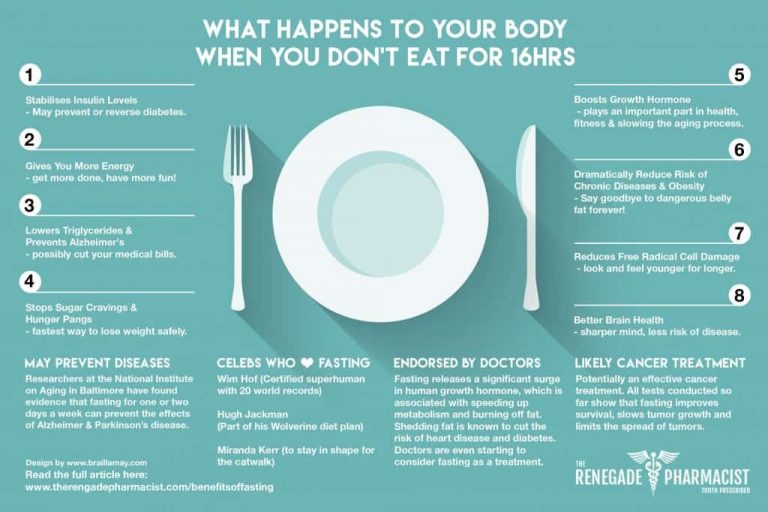
Fasting is an excellent way to improve your health, burn fat, and get tons of energy.
Unfortunately, there are still some misconceptions people have about intermittent fasting that might be affecting their results.
“There Is No Way to Be Social“
A lot of people complain that it can be difficult to do anything when they are the only ones trying to do a specific thing, but people seem to find ways around it anyway.
How does that happen?
The way to accomplish anything is to make sure that you’re prepared and that you’ve already considered many, or at least a few, of the everyday things you could encounter if you’re planning to fast.
How you deal with others during this time can be sensitive, especially because it’s human nature for people to share the foods and drinks that come from where they were born.
With a small adjustment to your schedule, you can take a moment to break a very small amount of bread with friends and family.
It is not uncommon to fast on normal days, then don’t fast on days when you have social obligations.
Here are some statistics related to fasting:
- Popularity: According to a survey conducted by the International Food Information Council in 2020, intermittent fasting was the most popular diet, with 10% of American adults saying they followed it.
- Weight Loss: A 2018 report published in the journal “BMJ” found that intermittent fasting can lead to significant weight loss. In this study, people lost between 3% and 8% of their overall weight over 3-24 weeks.
- Health Benefits: A study in “Cell Metabolism” showed that a group of pre-diabetic men who ate all their meals within a six-hour window (an intermittent fasting method) improved their insulin sensitivity and blood pressure, reducing their risk for heart disease and diabetes.
- Body Composition: A 2016 review in the “Journal of Translational Medicine” found that, compared to traditional dieting, intermittent fasting was more effective at preserving muscle mass while losing fat.
- Fasting App Usage: The fasting app “Zero” reported in 2020 that it had over 2.5 million active users worldwide.
It’s important to note that while these statistics show the popularity and potential benefits of fasting, it’s not suitable for everyone.
Always consult with a healthcare professional before starting a fasting regimen.
“It is a Starvation Diet“
This is a very common statement from people who don’t understand intermittent fasting and how it works. You hear the word “fasting” and automatically associate it with not eating.
But this is not a diet or a way to starve yourself of nutrients. You might even eat healthier during intermittent fasting than on other diets because, with a shorter eating window, you will eat as healthy as you can.
Remember that this type of fasting is often not for a long time. Fasting for 16 hours, when 8 of those hours are sleeping, isn’t very long when you think about it.
“Passing Up Breakfast Makes Your Gain Weight“
People tend to think that if you don’t eat every day, your body will begin to think it’s starving.
The truth is that your body is a lot smarter than that. Many systems and signals are at play, and their combinations can alert your body to how serious your need for food might be based on the emotional responses accompanying them.
The main reason to eat in the morning is that a large portion of life begins in the morning. Your mind needs fuel to do its job. That means giving it something it can use as the day goes on.

- Fasting supplement powder with 1175mg Potassium, 580mg Sodium, 105mg Magnesium, 25mg Calcium, and over 74 trace minerals and co-factors.
- High concentration mineral source from naturally occurring minerals to supplement any diet or electrolyte need. No fillers or sweeteners; unflavored, raw mineral powder. Great for Keto, Vegan, Paleo, Carnivore, and Intermittent Fasting diets, and as a general electrolyte supplement
- Our updated serving size reflects refined dosing guidance for overall fasting needs, while maintaining the same formula, total product quantity, and value in every bag, as always. Since 2019, Fast Lyte has been committed to making electrolytes from natures most pristine mineral sources.
- Now with marine sourced magnesium – Extracted from north Atlantic seawater, more bioactive than other forms of magnesium thanks to its rich mineral matrix containing over 74 trace minerals and co-factors
- Our fasting salts now include multimineral support – From plant based red algae, this rich in calcium, magnesium, and trace mineral profile source has been studied for decades with studies showing increases in bone mass density due to its complex and rich mineral composition like that of human bone

Last update on 2026-10-08 / Affiliate links / Images from Amazon Product Advertising API
Here are some common arguments against fasting:
- Risk of Nutrient Deficiency: Fasting for extended periods can deprive the body of essential vitamins, minerals, and other nutrients. This can lead to health issues such as fatigue, hair loss, and weakened immunity.
- Triggering Eating Disorders: Some people argue that fasting can trigger disordered eating patterns, especially in individuals with a history of eating disorders.
- Reduced Metabolic Rate: There is a concern that fasting may slow down the body’s metabolic rate as it goes into a “starvation mode.” This could make it harder to lose weight in the long term.
- Negative Impact on Daily Life: Fasting may cause mood swings, reduced energy levels, or difficulty concentrating, which can interfere with daily activities and productivity.
- Potential for Rebound Overeating: After fasting, some people may overcompensate by eating more, leading to potential weight gain.
- Not Suitable for Everyone: Fasting is not recommended for certain groups, including pregnant or breastfeeding women, those with certain medical conditions, and children.
Please note that while these are common arguments against fasting, many people find it beneficial when done responsibly and under medical supervision.
Always consult a healthcare professional before starting any new diet or fasting regimen.
Conclusion
In conclusion, while there are many misconceptions about fasting, research reveals its potential benefits on both mind and body when done properly as part of a balanced lifestyle.
As with any dietary change, it’s important to listen to your body’s signals and consult professionals before embarking on any significant changes.
Remember that each individual has different nutritional needs and reacts differently to fasting. It’s always wise to seek professional advice before starting a new dietary regimen, such as fasting.